
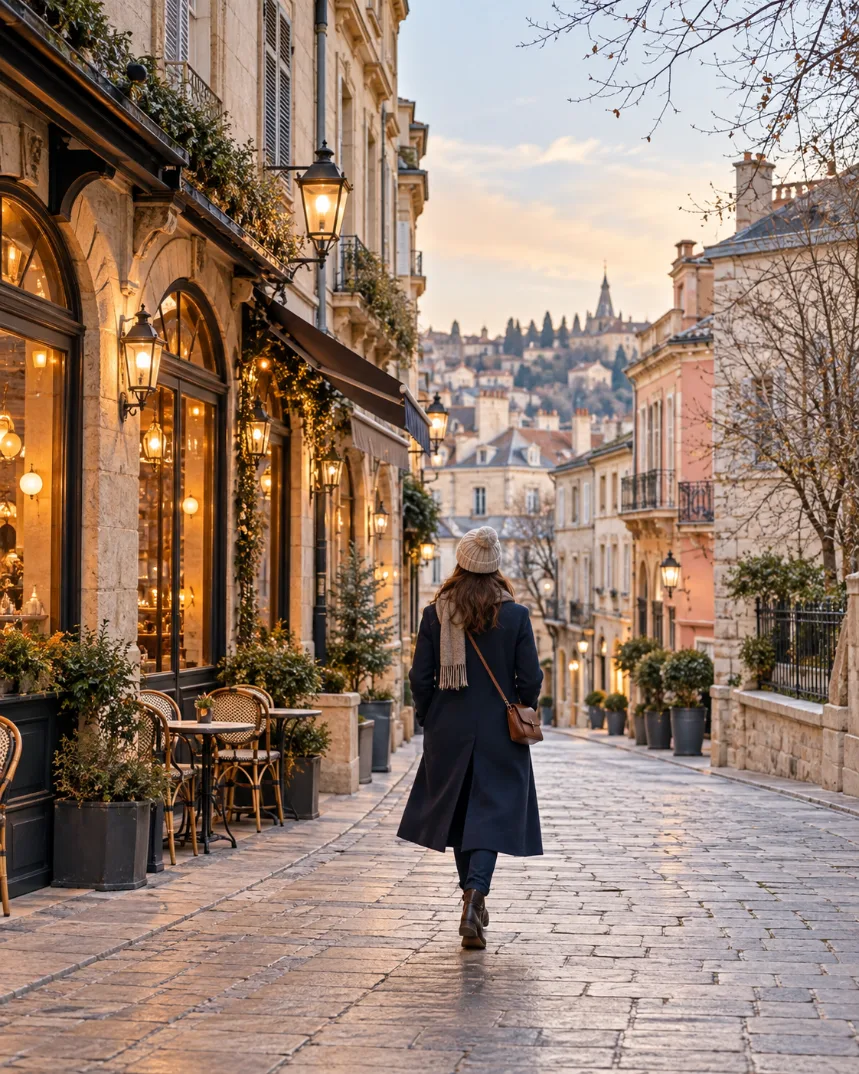
What makes a good January or February city break?
A good winter city break is not simply the place with the highest average temperature. It is a city where museums, food, architecture, transport and enjoyable evenings still give the trip shape when the day is cold or wet. Lisbon and Seville may feel gentler than Prague or Budapest, but none of these destinations should be treated as a winter-sun guarantee.
January and February can bring quieter-feeling streets after the Christmas period, yet low prices and empty attractions are never assured. School holidays, Valentine weekends, conferences and carnival dates can all lift demand. Some seasonal flights also operate less often, so check the full timetable before assuming a cheap outbound fare will produce a convenient short break.
Our eight suggestions suit relaxed three-to-four-night trips from the UK. The stay lengths are practical recommendations rather than rules; an early arrival and late return can make three nights feel very different from two awkward travel days. Use our three-night city-break guide to build a realistic itinerary.
Compare eight winter city breaks
These are broad seasonal descriptions, not forecasts. Check the weather, daylight, transport and event calendar for your exact dates before booking.
| City | Best for | Winter character | Main trade-off | Stay |
|---|---|---|---|---|
| Lisbon | Viewpoints and food | Milder-feeling days with rain possible | Hills and slippery wet paving | 3–4 nights |
| Seville | Architecture and tapas | A better chance of gentle afternoons | Cool evenings and rain still possible | 3 nights |
| Barcelona | Architecture and neighbourhoods | Mediterranean winter with strong indoor options | A breezy coast and busy headline sights | 3 nights |
| Rome | History and food | Cooler walking weather and cultural stops | Much essential sightseeing is outdoors | 3–4 nights |
| Venice | Canals and atmosphere | Cool, damp, foggy and often atmospheric | High water, bridges and carnival demand | 3 nights |
| Paris | Museums and cafés | A culture-led trip with warm indoor stops | Cold, wet walks and event-led prices | 3 nights |
| Prague | Historic streets | A proper cold-weather atmosphere | Ice, cobbles and short daylight | 3 nights |
| Budapest | Thermal baths and city views | Cold outside with excellent indoor recovery | River wind and spread-out sights | 3–4 nights |
January or February: which is better?
Choose January if you like the idea of travelling after the New Year rush and do not mind the shortest days. A trip can feel calmer once seasonal events finish, but reduced opening hours, maintenance closures and limited flight schedules need checking. January is not automatically the cheapest choice on every route or weekend.
Choose February if the extra daylight matters more. The difference becomes useful for neighbourhood walks and viewpoints, but UK school half-term, Valentine’s Day and destination-specific carnival dates can increase fares and room prices. If you are flexible, compare several midweek and weekend combinations rather than searching one fixed date.
School holiday dates differ across the UK and between local authorities. Use the UK Government term-date finder as a starting point, then confirm the relevant school calendar and the event dates in your destination.
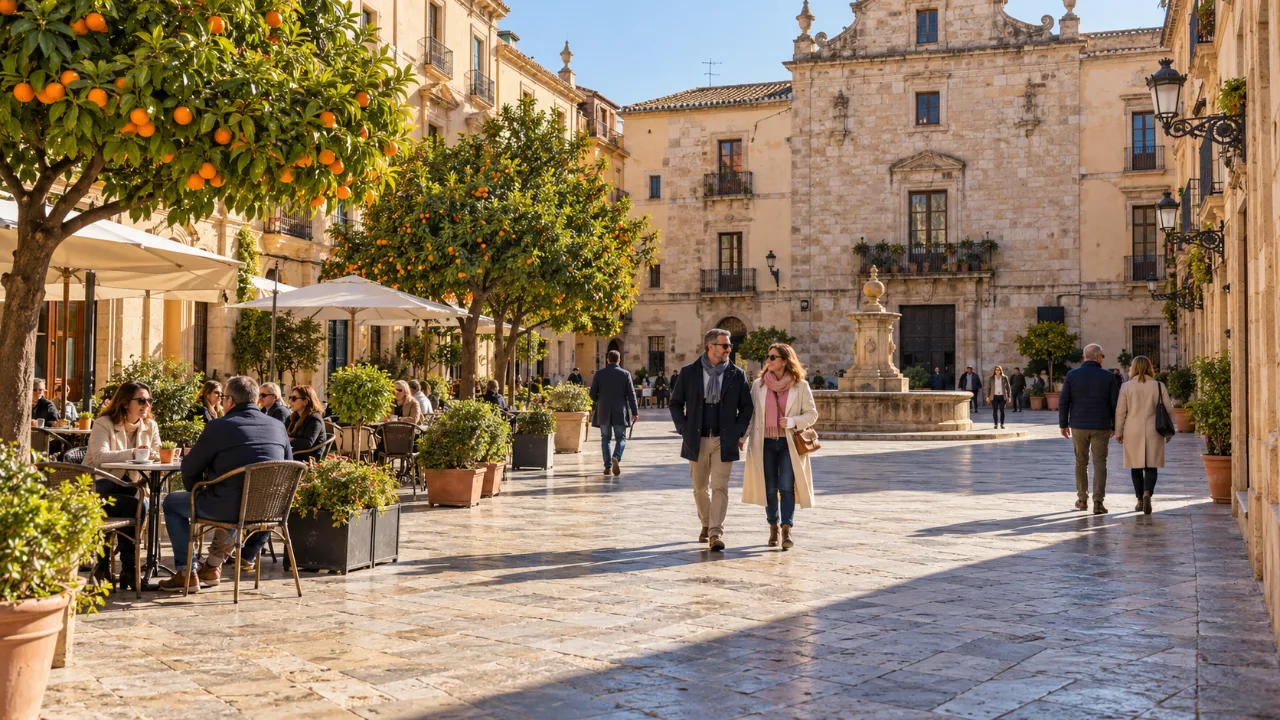
Southern Europe can offer gentler winter afternoons, but layers and a wet-weather alternative still belong in the plan.
Lisbon: light, viewpoints and flexible days
Lisbon suits travellers who want colourful streets, food and viewpoints without expecting beach weather. Three or four nights give the hills enough breathing room: combine one neighbourhood with one major visit rather than crossing the city repeatedly. Place the most weather-dependent viewpoint in the best part of the day.
Winter rain can change a walking-heavy plan, and the polished calçada paving becomes slippery when wet. Keep a museum, covered market or long lunch ready as an alternative. A bright afternoon may feel gentle in the sun, while wind and shade make an evening much cooler.
Our Lisbon city-break guide covers areas to stay and practical transport. For a slower day, use our Alfama neighbourhood guide. Confirm current attractions and events on the official Visit Lisboa website.
Seville: architecture and food with gentler afternoons
Seville is a strong three-night choice when the appeal is architecture, tapas and the possibility of comfortable time outside. Build one day around the Real Alcázar and Cathedral area, then give Triana and a relaxed food stop their own space. It is more rewarding than treating the old centre as a race between monuments.
The city can feel mild compared with northern Europe, but cool evenings and rainy spells remain possible. Pack for shade as well as sun and check opening times carefully, especially around public holidays. A winter visit works best as a cultural city break with pleasant outdoor intervals, not as a promise of warmth.
Use the official Visit Seville website to confirm current events, monument information and practical details before fixing the itinerary. If the Alcázar is essential, check the official ticket route and availability before travelling.
Barcelona: architecture, neighbourhoods and the sea
Barcelona gives a winter break useful variety: Gaudí architecture, markets, museums, neighbourhood walks and the seafront. Three nights are enough for a focused first visit if you choose a small number of priorities. Place one major booked sight each day and keep the surrounding hours within the same part of the city.
The Mediterranean setting can soften winter days, but coastal wind and damp air may feel colder than the temperature suggests. Famous buildings can still be busy, so book only the attractions that would genuinely disappoint you to miss. Leave the beach as a walk rather than the reason for the trip.
Our Barcelona city-break guide covers neighbourhoods, transfers and a manageable weekend. The official Barcelona winter guide provides seasonal ideas and current planning inspiration.
Rome: ancient sights without summer heat
Rome can be easier to explore in cooler weather when you give its major sights time. Use one day for the ancient centre, another for the Vatican area and a third for churches, neighbourhoods and food. Three or four nights are more comfortable than trying to fit every celebrated site into a rushed weekend.
Winter does not remove the need for reservations at high-demand attractions, and much of the essential experience remains outdoors. Keep a church, museum or long meal available if rain changes the day. Group nearby sights so a wet forecast does not create long journeys across the city.
Our Rome city-break guide explains areas to stay and a realistic itinerary. Check the official Turismo Roma website for current openings, exhibitions and events.
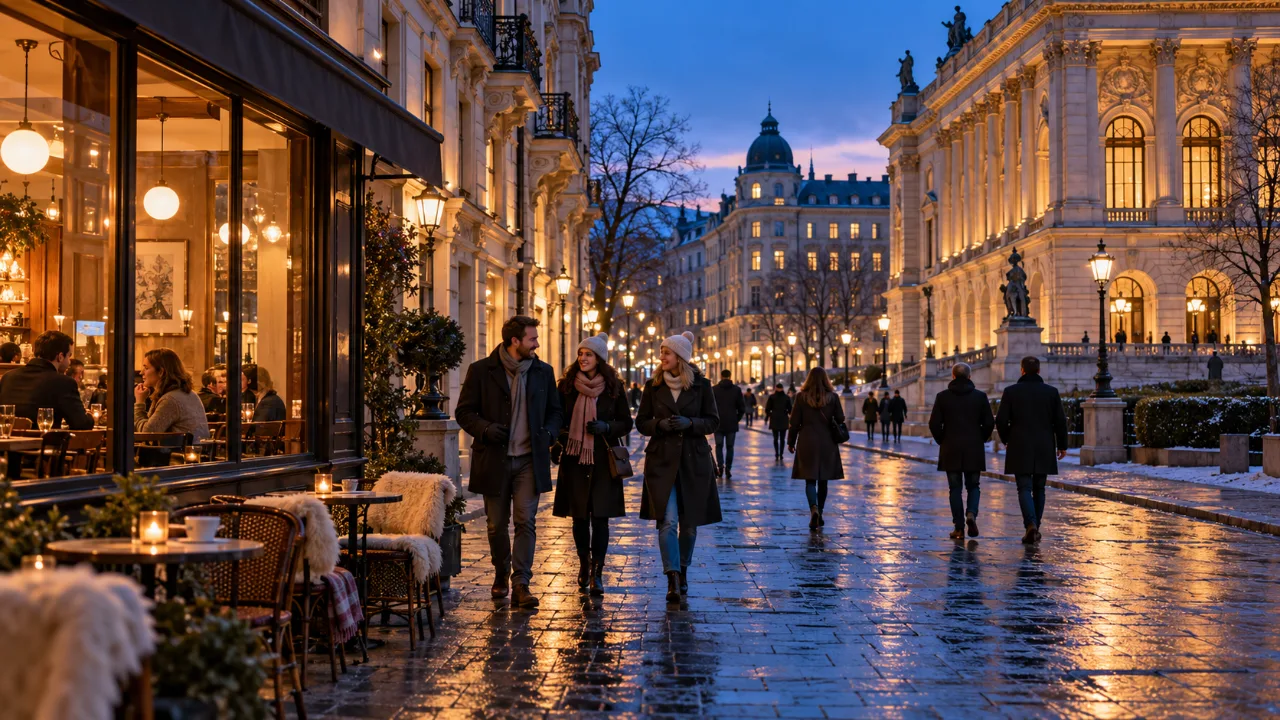
A good winter plan alternates outdoor discoveries with warm, unhurried stops.
Venice: canals and atmosphere at a slower pace
Venice works in winter when atmosphere matters more than a long list of attractions. Three nights allow time to move beyond the busiest line between the station, Rialto and St Mark’s. Spend part of a day in Cannaregio or Dorsoduro and allow wrong turns to be part of the experience.
Cold, damp or foggy conditions can make the city memorable, but they also affect comfort. High water may alter routes through lower areas, while bridges make heavy luggage inconvenient. February carnival dates can transform both the atmosphere and the price, so check the calendar before assuming a quiet winter stay.
Our Venice slow-travel guide helps create a manageable visit. Read the official Venezia Unica winter guide and confirm local high-water information close to departure.
Paris: museums, cafés and easy rail planning
Paris is a reliable winter option for travellers who enjoy museums, cafés, covered passages and neighbourhood time. Choose one major museum for the day and explore its surrounding area rather than travelling between distant reservations. Three nights give a first visit enough room without turning every hour into a booking.
Cold or wet walks can make distances feel longer, so choose a hotel around the part of Paris you most want to use. Popular exhibitions may still need advance tickets. Parks and riverside walks work best as flexible additions for a dry spell, not the fixed centre of every day.
Our Paris city-break guide covers practical areas and itineraries. If you would rather avoid flying, compare the full journey using our European city breaks by train guide. Check current seasonal ideas with the official Paris visitor website.
Prague: historic streets and proper winter atmosphere
Prague makes sense for a three-night break when the appeal is historic streets, castle views and warm meals after time outside. Put the castle district or another exposed walk into the brightest part of the day, then use the early evening for a relaxed meal or cultural visit.
Cold, ice and snow are possibilities rather than guarantees. Cobbles and slopes need sensible footwear, and short daylight rewards a modest itinerary. The city can still be busy around events and weekends, so winter should not be read as a promise of empty streets.
Follow our Prague attractions guide for a manageable first visit and use Prague’s official visitor website for current opening information and events.
Budapest: thermal baths and grand city views
Budapest combines an outdoor city with one of winter’s most appealing indoor rewards: its thermal baths. Three or four nights allow time for Buda, Pest and a bath visit without crossing the river for every new sight. Group each half-day geographically and use public transport when the weather turns.
Wind beside the Danube can make a viewpoint or riverside walk feel much colder. Bath entry systems, opening times and rules vary, so check the official information for your chosen complex rather than building the day around an assumption. Reserve only where necessary and keep some flexibility for the forecast.
The official Visit Hungary Budapest guide is a useful starting point for current attractions and events. Before setting the budget, compare transport, accommodation, bath entry and the meals you actually want using our European city-break spending guide.
Which winter city break should you choose?
For a milder-feeling break, start with Lisbon, Seville or Barcelona, while keeping rain, wind and cool evenings in the plan. For history and atmosphere, compare Rome and Venice. For strong indoor culture, Paris is the easiest fit. For a true cold-weather mood, Prague and Budapest make winter part of the experience.
There is no universal cheapest city or month. Compare the complete trip cost for your actual dates: transport, baggage, airport transfers, accommodation, attraction tickets and meals. A low fare can lose its advantage if it arrives late, leaves early or requires an expensive transfer.
If festive travel is the real goal, use our European Christmas-markets guide instead. For a sunnier-feeling shoulder-season trip, our warm October city-break guide is a better comparison.
Before you book a January or February city break
- Check seasonal flight or rail frequency as well as the headline fare.
- Compare door-to-door journey times, including airport transfers.
- Confirm attraction opening days, winter hours and planned closures.
- Look up daylight, the forecast and any destination-specific events.
- Compare UK school half-term and Valentine weekends with nearby dates.
- Choose a hotel area that reduces unnecessary travel after dark.
- Pack layers, reliable shoes and weather protection.
- Keep one warm indoor alternative for every outdoor-heavy day.
Travelling from a regional airport? Our Northern UK airports guide helps you compare practical departures. Our European city-break packing list covers the final bag check, while the hotel-area guide helps you avoid losing useful winter daylight to transport.
Choose for the season, not the postcard
Pick one important outdoor experience for the best part of each day, keep a warm alternative nearby and choose a city whose food, culture and evenings still appeal when the weather changes.
More practical travel adviceReviewed 16 October 2026. Seasonal descriptions are general planning guidance; confirm forecasts, transport, opening hours and event dates before travel. All three article images were created with AI for City Break Explorer and do not depict one specific destination.