
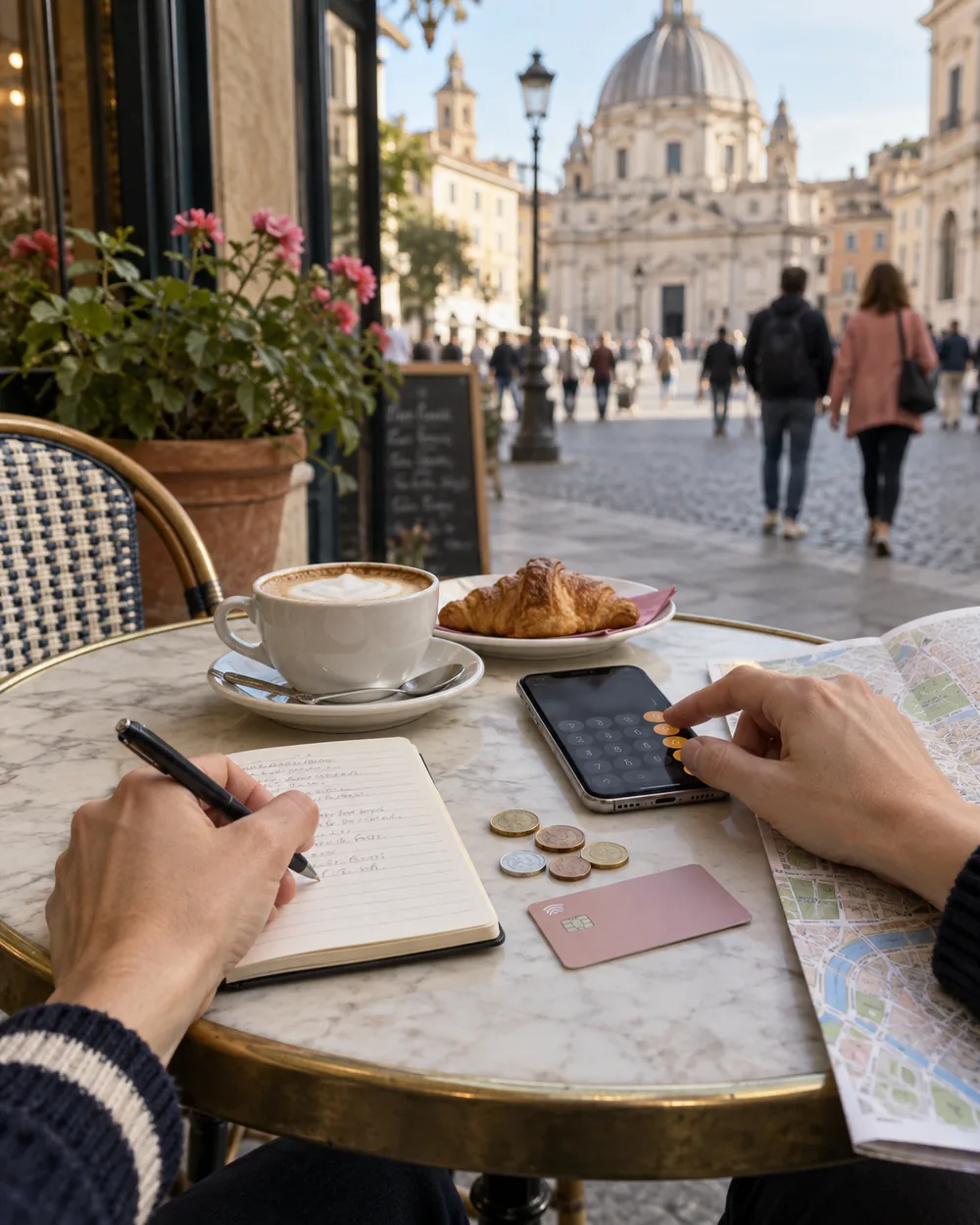
The short answer
For most European city breaks, allow £85–£120 per person, per day for a comfortable trip. That is enough for ordinary sit-down meals, local transport, one paid attraction and a little room for coffee, drinks or an unplanned expense. A careful traveller can manage on £55–£75 a day, while a more flexible budget begins around £140.
These figures are for spending after you arrive. They do not include your flight or train, hotel, airport transfers, shopping or expensive nightlife. If you have already paid for museum tickets or breakfast, subtract those items rather than taking the same amount again.
Planning figures and official city-price examples checked on 23 September 2026. Prices and exchange rates can change.
Three realistic daily budgets
The right figure depends less on whether a city is labelled “cheap” or “expensive” and more on how you like to travel. Choose the description that sounds like your normal day, then multiply it by the number of real spending days.
Careful: £55–£75 per person, per day
Breakfast from a bakery or supermarket, one inexpensive sit-down meal, a casual evening meal, walking mixed with public transport, and either one modest paid sight or mostly free attractions.
Three spending days: about £170–£225Comfortable: £85–£120 per person, per day
A café breakfast, two relaxed meals, coffee or a drink, normal public transport and one major paid attraction most days. This is the most useful starting point for a couple who want choices without tracking every euro.
Three spending days: about £255–£360Flexible: £140–£200+ per person, per day
Better restaurants, taxis when useful, cocktails, tours or several paid attractions. The upper limit rises quickly with tasting menus, shopping and nightlife, so budget those separately if they are an important part of the trip.
Three spending days: about £420–£600+A three-night break usually contains an arrival evening, two full days and a departure morning. Counting that as roughly three spending days is more accurate than multiplying a full daily allowance by four.
What should your daily allowance cover?
Build the figure from the trip you actually want. Write a daily amount beside each of the following categories rather than relying on one unexplained total.

Keep airport or station transfers separate. They can be much more expensive than ordinary city transport and may be paid only on the first and last day.
What current prices look like in six popular cities
These examples are not complete daily budgets. They show how two common costs—a public-transport ticket and a leading attraction—can differ. Sterling equivalents are rounded using the UK Foreign, Commonwealth & Development Office September 2026 consular rates of £1 to €1.21 and £1 to CZK29.50. Your card provider or cash exchange rate will differ.
A Carris/Metro 24-hour ticket is €7.25 (about £6), while an adult ticket for Castelo de São Jorge is €17 (about £14).
Official transport faresOfficial castle ticketsLisbon guideA one-day Zone A tourist ticket is €10.30 (about £8.50), and general admission to the Prado Museum is €15 (about £12.40).
Official transport faresOfficial Prado pricesMadrid guideA Roma 24H public-transport ticket is €8.50 (about £7), while a Colosseum Full Experience ticket is €24 (about £20).
Official transport faresOfficial Colosseum ticketsRome guideA Navigo Day ticket for all zones, excluding airport journeys, is €12.30 (about £10.20). The Louvre’s standard non-EEA visitor ticket is €32 (about £26.50).
Official transport faresOfficial Louvre pricesParis guideA GVB one-day ticket is €9.50 (about £7.85), and adult admission to the Rijksmuseum is €25 (about £20.65).
Official transport faresOfficial museum pricesAmsterdam guideA 24-hour ticket costs CZK140 in the official app or CZK150 on paper (about £4.75–£5.10). Prague Castle’s basic circuit is CZK450 (about £15.25).
Official transport faresOfficial castle pricesPrague guideExchange-rate source: FCDO consular exchange rates, September 2026. These rates are used only to make the examples easier to compare.
Cash, cards and exchange rates
Take more than one way to pay. A fee-free card may be the easiest option for most purchases, but a small amount of local cash is useful for markets, public toilets, tips or a card terminal that is not working. Check your own bank’s foreign transaction and cash-withdrawal fees before the trip.
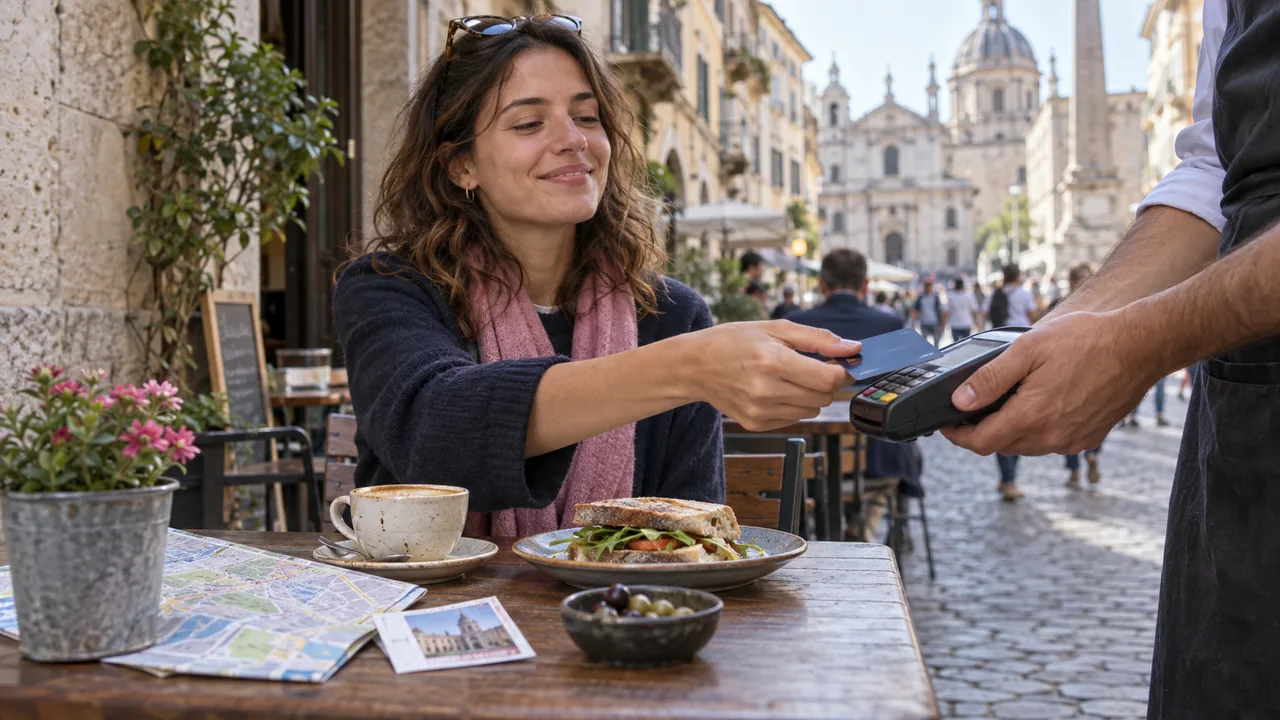
If a card terminal or cash machine offers to charge you in pounds, compare carefully before accepting. The displayed sterling conversion can include an unfavourable rate. Paying in the local currency normally lets your card provider make the conversion, but the right choice still depends on your account’s fees.
Do not carry the whole budget as cash. Divide cards and cash between secure places, and keep enough separately for the journey back to the airport or station.
Spend less without making the break feel cheap
Pre-book essential attractions from their official websites where possible. This helps you see the real price, avoid unnecessary reseller mark-ups and know exactly what is included.
Costs that are easy to forget
- Airport or station transfers: price both directions, including a possible late-night supplement.
- Tourist or city taxes: these may be collected by the accommodation and can vary by city, hotel type and length of stay.
- Luggage storage: useful when arrival is before check-in or departure is long after checkout.
- Water, snacks and coffee: small purchases are frequent on a walking-heavy day.
- Tips and service charges: customs differ, so check the bill before adding more.
- Cash-machine and card fees: your bank and the local machine can charge separately.
- A disruption reserve: a missed connection, wet-weather activity or taxi can change the plan quickly.
Add a 10–15% contingency after calculating your likely spending. Keep it available rather than treating it as money you must use.
How much should a couple take?
Start with the per-person figure and double it. Most day-to-day costs—meals, tickets and public transport—are charged individually, so travelling together does not halve the spending budget. Taxis, luggage storage and some shared dishes are the main exceptions.
For a comfortable three-spending-day break, a couple should therefore plan roughly £510–£720, plus airport transfers and any expensive pre-booked experience. Keep the budget per person when comparing trips; it prevents shared costs from disguising how much each day actually costs.
Build your city-break spending budget
- Count realistic spending days, including partial arrival and departure days.
- Choose careful, comfortable or flexible travel as your starting point.
- List the attractions and experiences you genuinely intend to pay for.
- Check official local-transport prices and airport transfers separately.
- Subtract breakfasts, tickets or tours already included or prepaid.
- Add any city tax, card fees, shopping or nightlife that sits outside the daily allowance.
- Add a 10–15% buffer and keep it for genuine changes.
Make the money fit the itinerary
A calm three-night plan helps you see which days need attraction tickets, transport and a larger food allowance before you leave home.
Plan a relaxed three-night break