
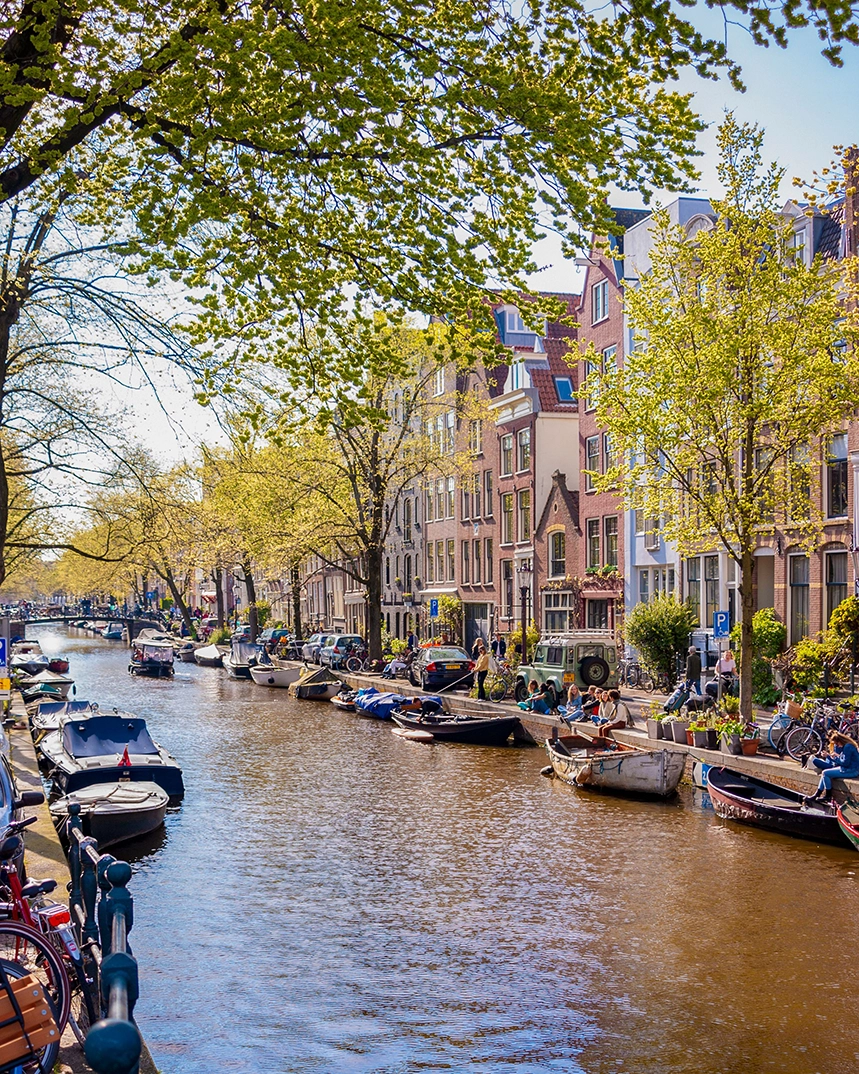
Why three nights usually works better than two
A two-night trip often looks like a full weekend on paper but becomes one useful sightseeing day once airport journeys, check-in and the trip home are included. Three nights create two proper days in the destination, plus an arrival evening and at least part of a final day.
The extra night also gives you permission to slow down. A delayed flight, wet morning or longer-than-expected museum visit does not ruin the whole plan. For many European cities, three nights is the best balance between annual leave, cost and enough time to feel that you have actually been there.
Start with the real journey time
Do not choose a trip using flight time alone. Add the journey to your UK airport, the recommended arrival time, baggage and security, the flight, passport control and the transfer at the other end. A two-hour flight can easily become a seven-hour door-to-hotel journey.
Before booking, write down the likely time you will leave home and the realistic time you will reach the hotel. Repeat the exercise for the return journey. This makes an early outbound and a sensible late-afternoon return easier to value properly. If the best route is not obvious, use our train-or-plane comparison to compare the complete journey rather than the headline travel time.
Travelling alone? Use our safe solo travel guide for Europe to prepare your arrival, practical backups and emergency plan.
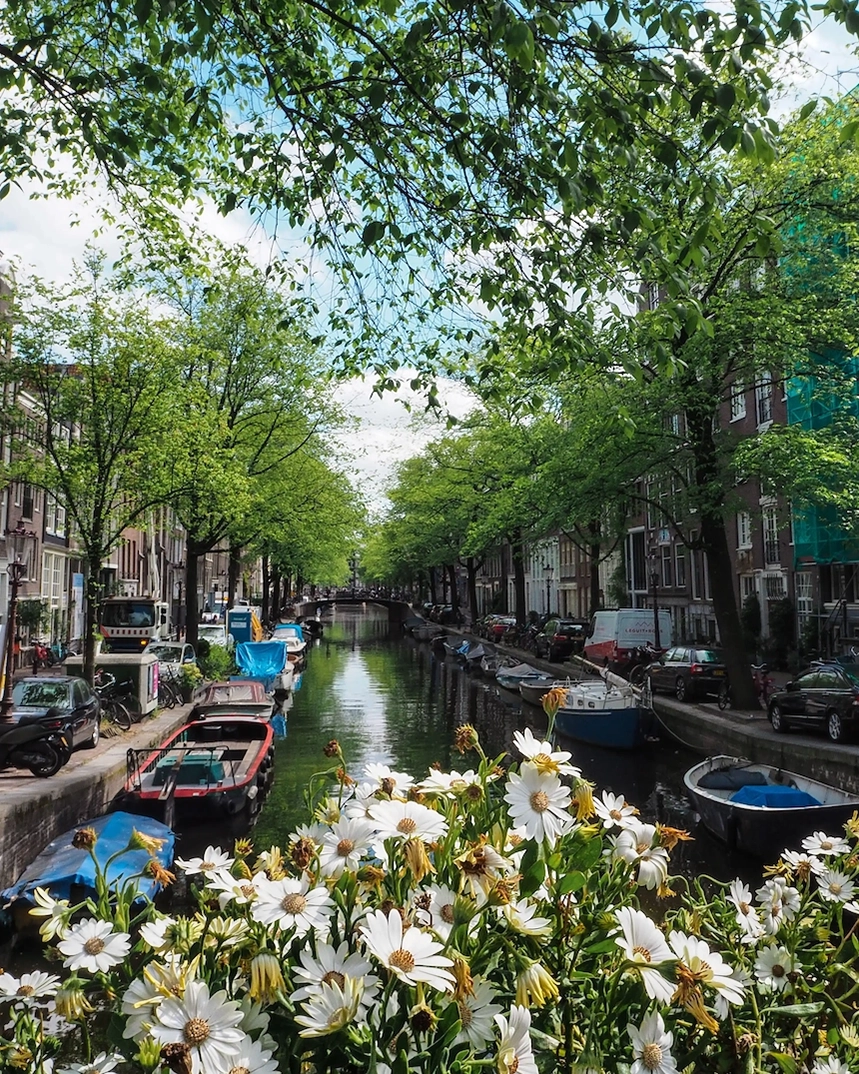
A simple three-night city break plan
Day 1: arrive, check in and learn the neighbourhood
Keep the first evening local. Walk around your hotel area, find the nearest useful transport stop and have a relaxed meal. Avoid an expensive timed attraction that a delay could make you miss.
Day 2: the main sights
Use your first full day for the attraction or historic area that matters most. Book one major timed visit, then connect it to nearby streets, viewpoints, cafés or markets. Grouping places geographically saves more time than rushing between a long list of highlights.
Day 3: neighbourhoods, food and a slower experience
Make the second full day feel different. Choose a quieter district, food market, gallery, riverside walk or local tour. If Day 2 was busy, leave the afternoon flexible and enjoy a longer lunch or hotel break.
Day 4: one final stop and the journey home
Plan around checkout and the airport or station, not around wishful thinking. A nearby breakfast, park, church or market is safer than crossing the city for a major attraction. Keep travel documents and the route home easy to reach.
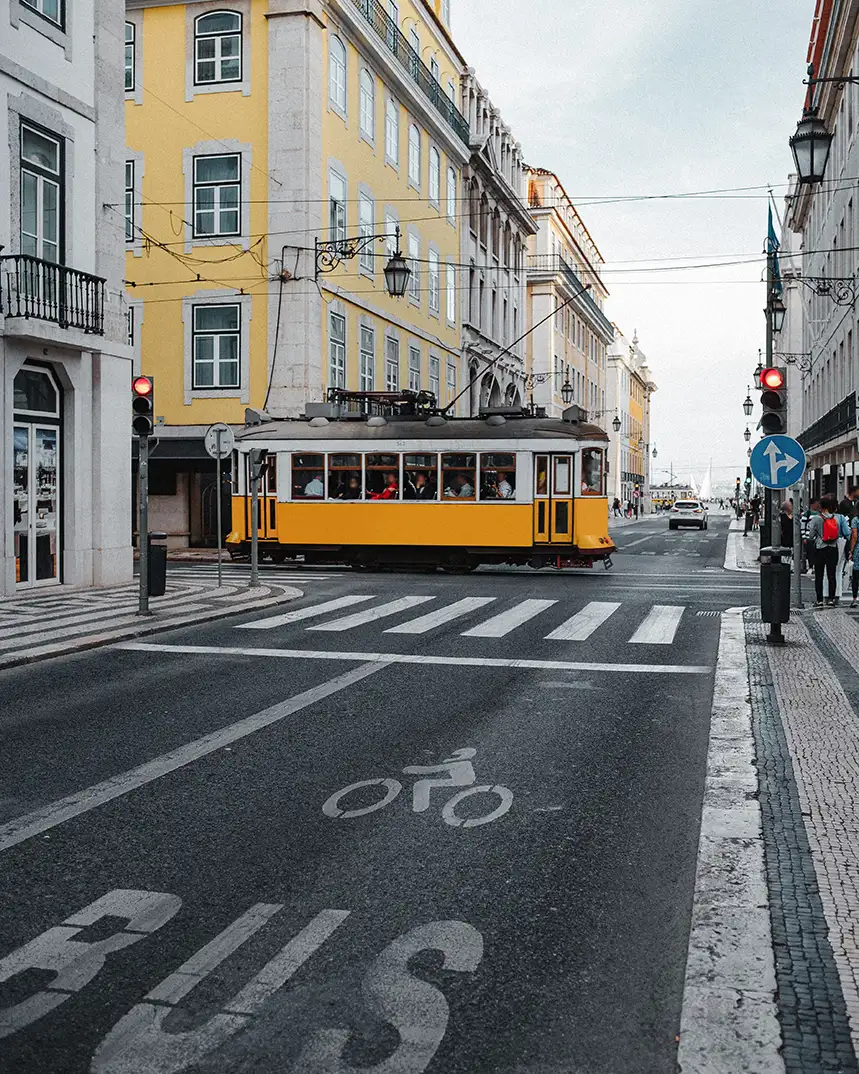
For a destination example, our Lisbon city-break guide shows how a relaxed 48-hour itinerary can fit inside a three-night stay without turning every day into a checklist.
Choose the area before the hotel
For a short break, location is part of the holiday rather than a separate detail. A cheaper room on the edge of the city may mean extra fares, early finishes and an hour of commuting every day. Compare the saving with the time and effort it costs.
A useful three-night base is usually within walking distance of at least some sights, connected directly to the airport or main station, and close to places where you would happily eat in the evening. Check the route on a map before booking and read recent reviews for noise, stairs and the immediate street—not only the room.
How much should you book in advance?
Book the things that could spoil the trip if they sell out: the hotel, main transport, one essential attraction per full day and any special restaurant or event. Leave ordinary meals, neighbourhood walks and minor sights flexible.
Seasonal weekends often need earlier decisions. If the markets are the main reason for travelling, compare destinations in our European Christmas-market guide, then confirm the current opening dates before booking transport.
Pack for the trip you have planned
Hand luggage is usually enough for three nights, but compact does not mean unprepared. Comfortable walking shoes matter more than a second smart outfit. Take layers that work together, a small weatherproof outer layer, essential medication, charging cables and a compact day bag.
Check your airline’s current bag dimensions before leaving home. Different fares on the same airline can include different allowances, and a bag accepted on one journey may not be included on another booking.
Build a small margin into the budget
Separate the trip into fixed costs and daily spending. Fixed costs include travel, hotel, transfers and pre-booked tickets. Daily spending covers meals, local transport, small attractions and anything spontaneous.
Add a modest contingency for airport food, a taxi after a delay, luggage storage or a changed plan. A realistic buffer makes the break feel more relaxed and reduces the temptation to continue with a bad arrangement simply because it was the cheapest option.
Common mistakes that make a short break tiring
Your three-night booking checklist
- Calculate door-to-hotel time in both directions.
- Choose the neighbourhood before comparing hotels.
- Plan one main area or experience for each full day.
- Book only the genuinely limited attractions.
- Check airport or station transfers before arrival.
- Keep one flexible block in every full day.
- Check luggage rules and likely weather.
- Allow a realistic spending and disruption buffer.
Choose a city that fits the plan
Compare practical European destinations, then open the full guide for hotel areas, transfers and a ready-made 48-hour itinerary.
Compare European city breaks