
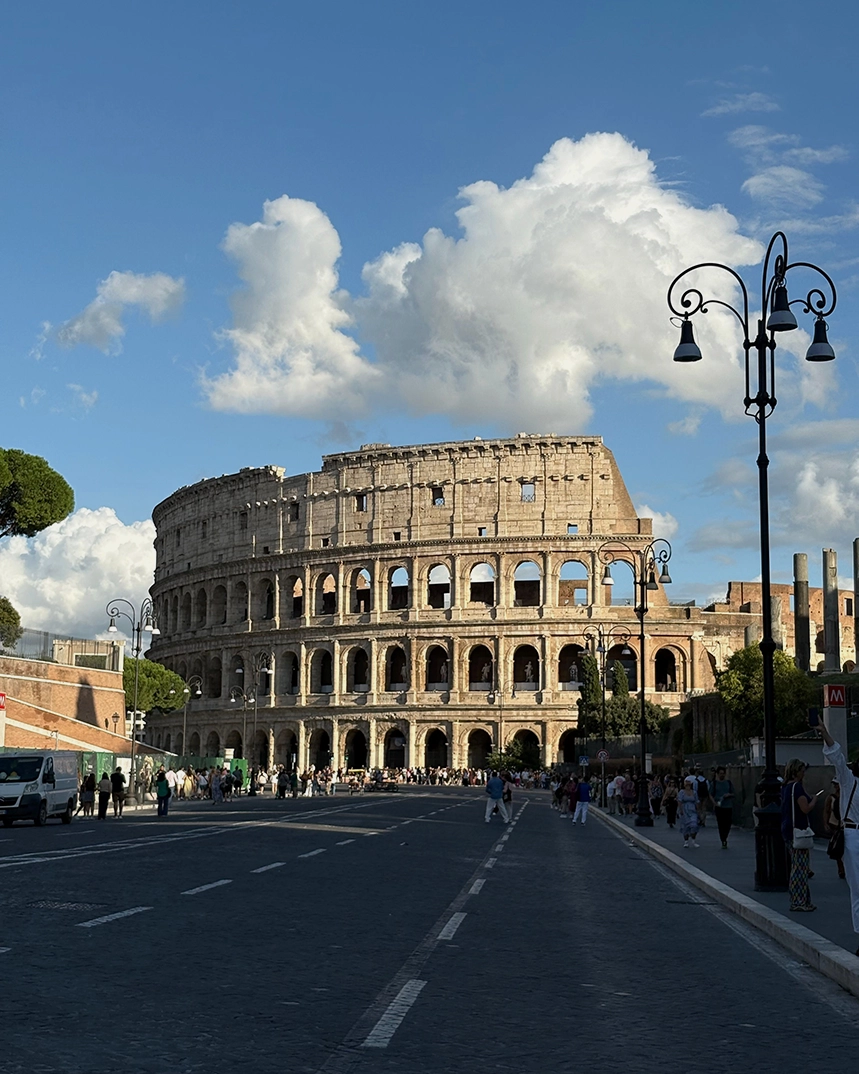
Rome at a glance
Rome is best for ancient history, churches, piazzas, food, art, slow walking and faith-based travel. It can work as a 48-hour city break, but it is much better with 3 nights if you want to include the Vatican, St Peter’s Basilica, the Colosseum and time to enjoy the city without rushing.
For a first visit, the most useful areas to stay are the Centro Storico around Pantheon, Piazza Navona and Campo de’ Fiori, Monti near the Colosseum, Prati and Borgo near the Vatican, Trastevere for evenings, or Termini if transport and value are more important than charm. You do not need a car in Rome. Walking, taxis, buses, trams and the Metro are enough for most short trips.
Why Rome works well for a longer weekend
Rome is not the easiest city to “tick off” in two days, and that is exactly why it deserves a slightly slower plan. The famous sights are huge, the churches are meaningful, the food is part of the experience, and the best moments often come when you stop trying to cover every landmark.
For many travellers, Rome is more than a sightseeing break. People visit because of their Catholic faith, family history, religious interest, art, pilgrimage, architecture or a long-held wish to see the Vatican and the major basilicas. That means the page needs to work for both a normal city break and a more reflective, faith-focused trip.
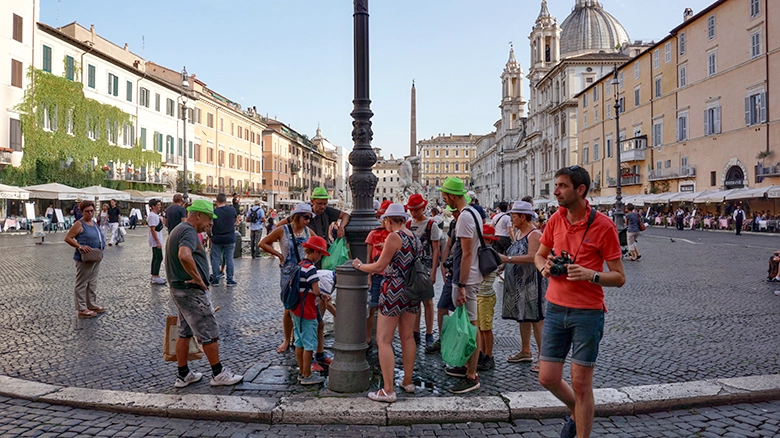
A relaxed 48-hour Rome itinerary
This 48-hour plan keeps Rome manageable. It gives you ancient Rome, the historic centre, the Vatican area and time for food, walking and quieter moments.
Day 1 morning: ancient Rome and the Colosseum area
Start with ancient Rome while you have the most energy. The Colosseum, Roman Forum and Palatine Hill can take several hours if you go inside properly, so avoid adding too many other major sights to the same morning.
If you book a Colosseum ticket or tour, give yourself enough time before and after. The area around the Colosseum can be busy and hot, especially in warmer months, so an early start is sensible.
Day 1 afternoon: Monti, Capitoline views and the historic centre
After the Colosseum area, slow down in Monti or walk towards the Capitoline Hill viewpoints. From there, continue gently towards Piazza Venezia, the Pantheon, Piazza Navona or Campo de’ Fiori depending on where you are staying.
This is a good afternoon to let Rome unfold rather than trying to force it. The streets, churches, fountains and small cafés between the sights are part of the day.
Day 1 evening: trattoria dinner and a piazza walk
For your first evening, book a trattoria near Monti, the historic centre or Trastevere. After dinner, take a simple walk through a few lit-up piazzas. Rome looks beautiful at night, and it is often more enjoyable when you are not rushing to another timed booking.
Day 2 morning: St Peter’s Basilica and the Vatican area
Use the second morning for St Peter’s Basilica and the Vatican area. If you also want the Vatican Museums and Sistine Chapel, book ahead and be realistic about timing. The museums can take a large part of the day, so do not treat them as a quick extra.
If your visit has a faith element, allow time simply to be in and around St Peter’s Square and the basilica rather than moving straight to the next stop.
Day 2 afternoon: Castel Sant’Angelo, river walk or quieter Rome
After the Vatican area, walk towards Castel Sant’Angelo and the Tiber. If you have museum energy left, visit inside. If not, use the river route as a slower way back towards the historic centre.
Another option is to return to your hotel for a rest, then use the late afternoon for a quieter church, a café stop or a short walk around Prati, Borgo, Trastevere or the Centro Storico.
Day 2 evening: Trastevere or a quieter local meal
Trastevere is a popular choice for an evening meal, but it can be busy. Go early, choose carefully and avoid letting restaurant staff pull you into somewhere that does not feel right.
If you prefer a calmer evening, stay closer to your hotel area and choose a simple local trattoria. Rome does not need to be complicated to be memorable.
Sacred Rome and faith travel
Rome is one of the most important Christian pilgrimage cities in the world, and many people visit because of their faith as much as their interest in history. This is where Rome needs a little more time than a normal weekend break.
A faith-focused visit might include St Peter’s Basilica, St Peter’s Square, the Vatican Museums and Sistine Chapel, the Papal Audience if available during your stay, and one or more of the other major basilicas. Do not try to squeeze all of this into a single day unless you are very comfortable with a full schedule.
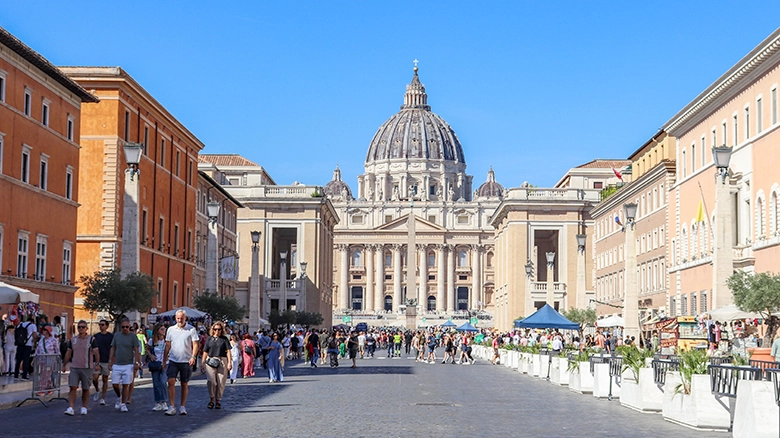
How to plan a faith-focused Rome stay
If faith is a key reason for the trip, I would strongly consider 3 or 4 nights rather than 2. That gives you space for the Vatican, one ancient Rome day, quieter churches, prayer or reflection time, and meals that do not feel rushed.
A simple 4-day sacred Rome idea
For a longer faith-focused weekend, use Day 1 for arrival and the historic centre, Day 2 for St Peter’s Basilica and the Vatican area, Day 3 for ancient Rome and quieter churches, and Day 4 for one or two major basilicas before travelling home. This creates a better balance between pilgrimage, sightseeing and rest.
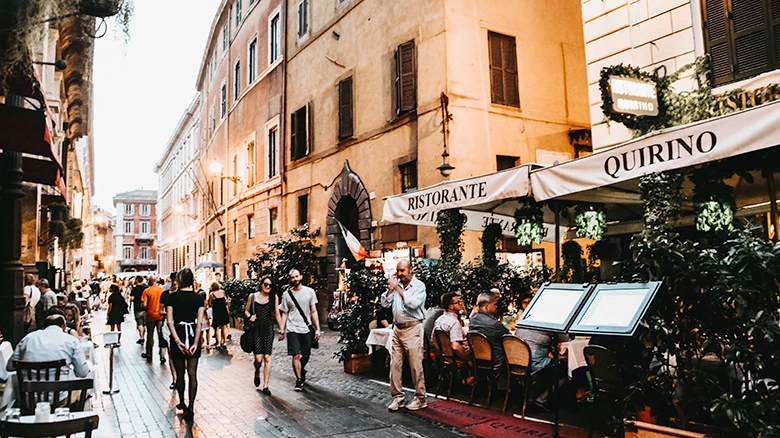
Where to stay in Rome
Where you stay in Rome makes a big difference. The city is walkable in parts, but distances can be tiring, pavements are uneven, and public transport does not always feel as simple as it does in some other European cities. For a short break, choose the area before choosing the hotel.
For a first visit, I would prioritise Centro Storico, Monti, Prati/Borgo, Trastevere or a practical Termini base. If faith travel is central to the trip, Prati or Borgo can make the Vatican side of Rome much easier.
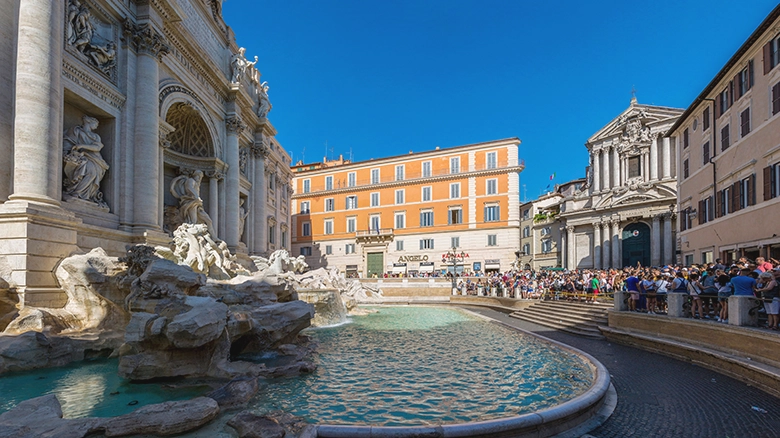
Centro Storico, Pantheon and Piazza Navona
This is the easiest base for a first Rome city break if you want to walk to the Pantheon, Piazza Navona, Campo de’ Fiori, Trevi Fountain and many central sights. It is atmospheric and convenient, but usually more expensive.
Monti and the Colosseum area
Monti is a strong choice if you want character, restaurants, cafés and easy access to the Colosseum area. It feels less formal than the historic centre but still works well for walking.
Prati, Borgo and the Vatican area
Prati and Borgo are good choices if the Vatican, St Peter’s Basilica or faith travel are central to your visit. The area is more organised and residential than parts of the historic centre, with good access to the Vatican side of Rome.
Trastevere
Trastevere is best for atmosphere, evenings, food and old streets. It can be busy, but it is a good base if you want character and do not mind being a little away from the most obvious daytime sightseeing routes.
Termini and practical transport bases
Termini is not Rome’s prettiest area, but it can be practical for airport trains, rail connections, value and short stays. Choose carefully and prioritise well-reviewed hotels close to the station but on streets that feel comfortable.
For a day built around nearby streets, food and one worthwhile visit, see our guide to a leisurely day in Trastevere, including terrain and evening atmosphere.
Airport transfer advice
Rome has two main airports for most UK travellers: Fiumicino and Ciampino. Fiumicino is the larger airport and is usually the easiest for public transport into the city.
From Fiumicino, the Leonardo Express is the simplest train option if you are staying near Termini or can easily continue from there. It is a non-stop service between Fiumicino Airport and Roma Termini. Regional trains can work better if you are staying near Trastevere, Ostiense or Tiburtina.
Ciampino is often used by budget airlines. The airport is smaller, but the transfer normally involves a bus or a combination of bus and rail or Metro depending on your final destination.
If you arrive late, have heavy luggage, are travelling with someone who would prefer less walking, or are visiting for a special occasion or faith-focused trip, a taxi or pre-booked transfer can be worth considering.
Food and drink ideas for a relaxed Rome break
Food is one of the best reasons to visit Rome. You do not need a complicated restaurant plan, but it helps to know what you want from each part of the trip.
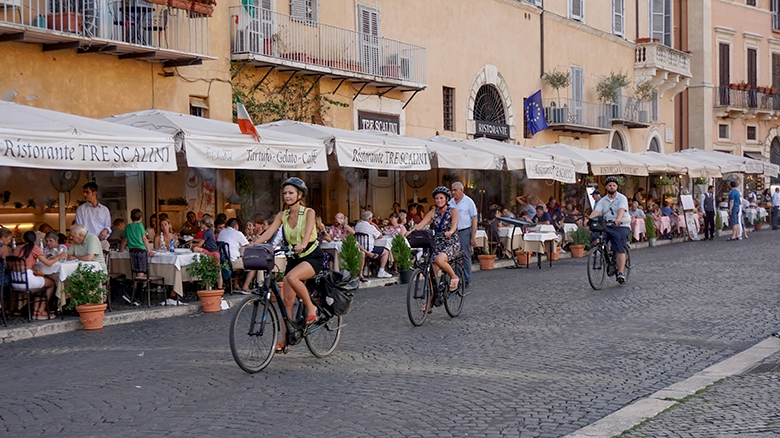
Good simple goals are one traditional trattoria meal, one pizza or casual lunch, one gelato stop, one coffee at the bar, and one meal away from the most obvious tourist streets. Classic Roman dishes include carbonara, cacio e pepe, amatriciana, gricia, supplì, carciofi alla romana and maritozzi.
Good areas to consider include Monti, Testaccio, Trastevere, Prati and the Jewish Quarter. Near major sights, walk a few streets away before choosing where to eat.
Things worth booking before you go
Rome is one of the cities where advance planning matters. You do not need to book every minute, but the main sights can be busy, and tickets or timed entry can shape the whole weekend.
Mistakes to avoid in Rome
Rome is wonderful, but it can be tiring if you plan it like a checklist. Give the city space, and be honest about walking distances, heat, queues and the size of the main sights.
A simple 3-day Rome plan
If you have three nights, use Day 1 for arrival, the historic centre and a relaxed meal. Use Day 2 for ancient Rome, including the Colosseum, Forum, Palatine and Monti. Use Day 3 for the Vatican, St Peter’s Basilica, Castel Sant’Angelo and a calmer evening.
If faith travel is a major reason for the trip, add a fourth day for the major basilicas, quieter churches, prayer, reflection and a more comfortable pace.
Who Rome is best for
Rome works well for travellers who enjoy history, churches, faith travel, food, architecture, piazzas, art and walking. It is especially strong for people who want a city break that feels deeper than a normal weekend away.
Who might not enjoy Rome as much
Rome may not suit travellers who want everything to feel tidy, quiet and simple. The city can be busy, uneven underfoot, hot in summer and slower to move around than it first appears. If you want a calmer trip, choose your hotel area carefully, book the key sights early and leave space in the plan.
Final thoughts
Rome is one of Europe’s great city breaks, but it deserves respect in the planning. It is not just a list of sights. It is ancient history, sacred places, food, neighbourhoods, fountains, churches and piazzas all layered together.
The best way to enjoy Rome is to slow the trip down. Choose the right area to stay, book the sights that matter, make space for faith and reflection if that is part of your reason for visiting, and leave time for the smaller moments between the famous places.