
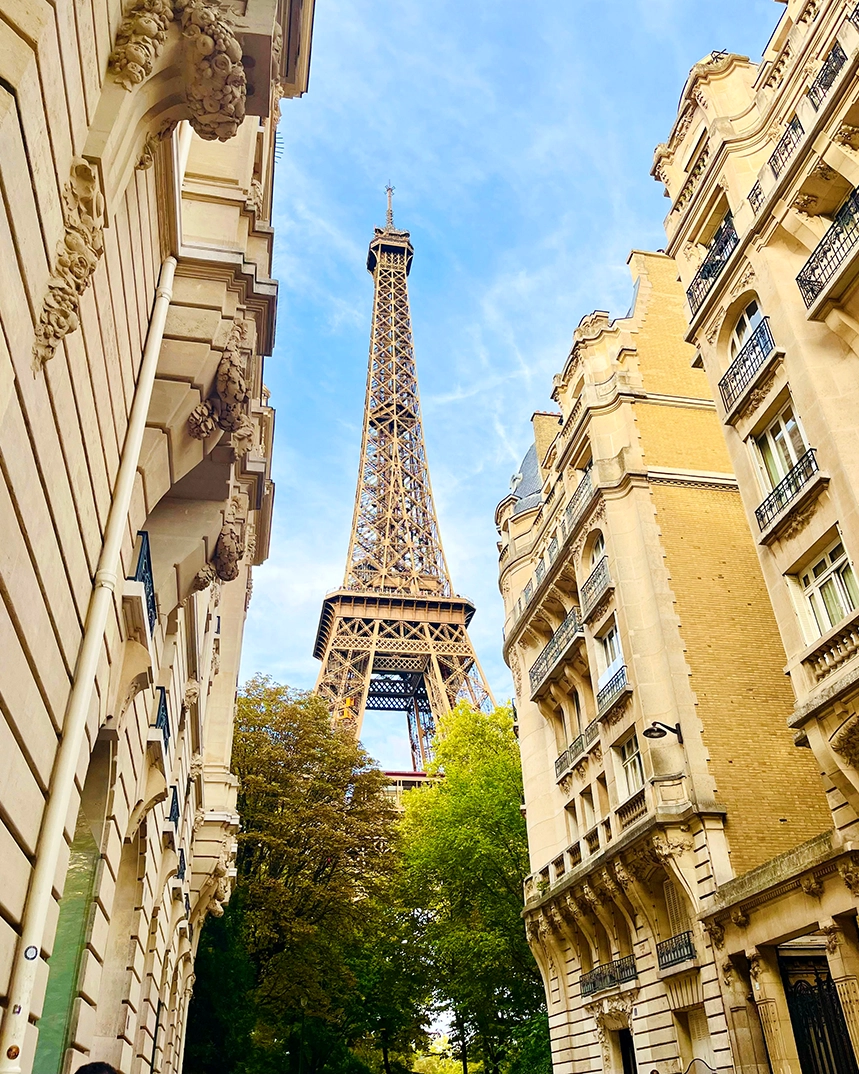
Paris at a glance
Paris is best for classic European sightseeing, café culture, art, food, architecture and slow walks beside the Seine. It works well for a 2 or 3-night break because many of the best experiences are close together, especially if you stay in the right area.
For a first visit, the most useful bases are around the Louvre and Châtelet, Saint-Germain and the Latin Quarter, Le Marais, the Eiffel Tower and 7th arrondissement, or the Canal Saint-Martin and Gare du Nord area if you are arriving by Eurostar. You do not need a car, and in most cases you will use a mix of walking, Metro rides and the occasional taxi.
Why Paris works well for a short break
Paris can feel enormous, but a short break becomes much easier when you keep the plan simple. You do not need to see every museum, every famous church and every viewpoint in one trip. Paris is better when you choose a few strong sights, stay in a sensible area and leave time for cafés, markets, bridges and wandering.
For UK travellers, Paris has one big advantage over many European cities: you can travel city centre to city centre by Eurostar from London St Pancras to Paris Gare du Nord. Flights can also work well, especially from regional UK airports, but the train is often the calmest option if London is convenient for you.
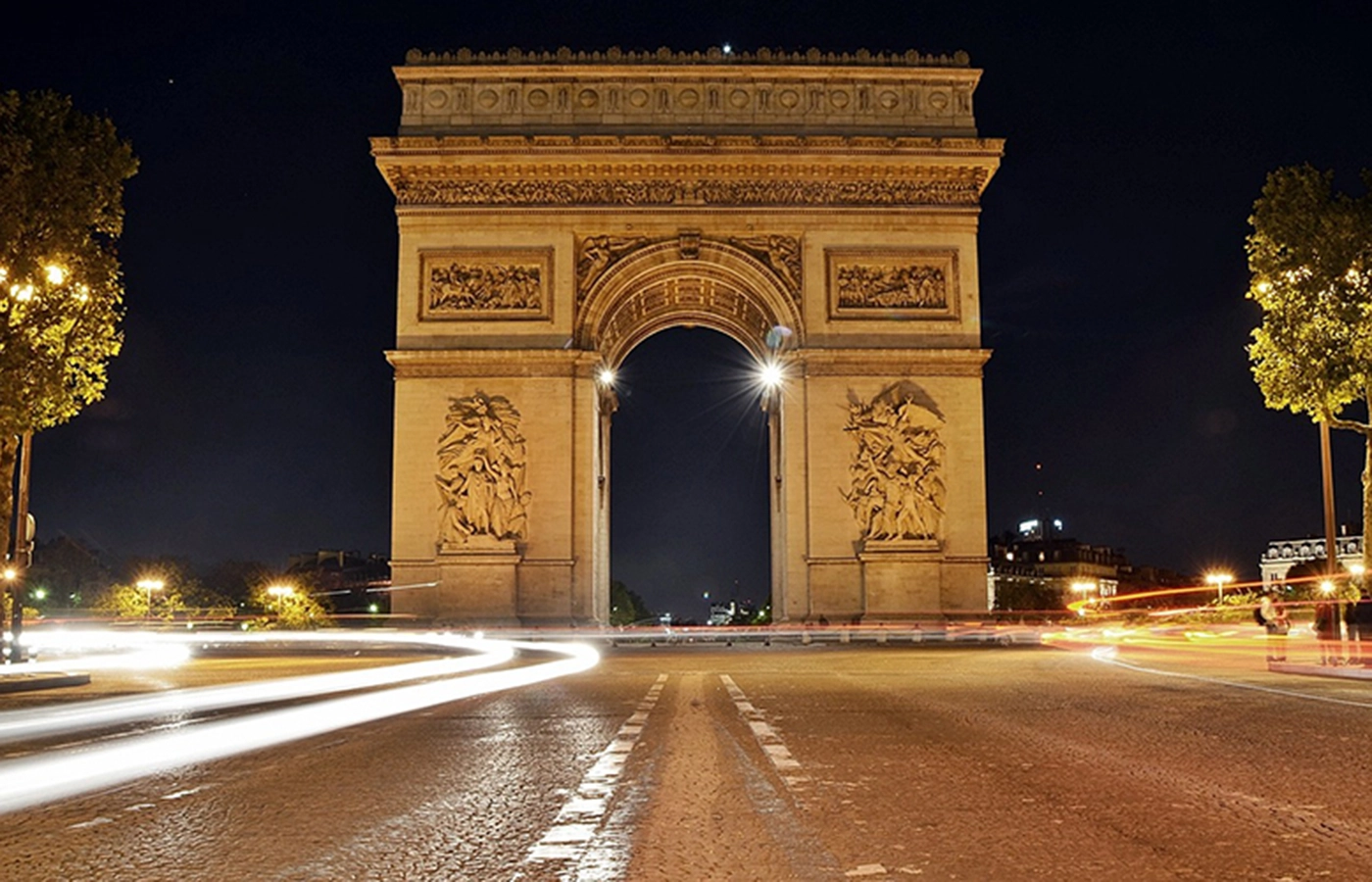
A relaxed 48-hour Paris itinerary
This itinerary is designed for a first or return visit where you want Paris to feel enjoyable rather than exhausting. It includes classic sights, but it leaves space for cafés, neighbourhood walks and a slower evening.
Day 1 morning: arrive, settle in and walk towards the Seine
After arriving, keep the first part of the day gentle. Drop your bags, have coffee or lunch close to your hotel, then walk towards the Seine. If you are staying centrally, a route around the Louvre, the Tuileries, Pont Neuf and Île de la Cité gives you an immediate sense of Paris without needing a complicated plan.
Good nearby stops include the Louvre exterior, the Tuileries Garden, Pont des Arts, Pont Neuf, Île de la Cité and the outside of Notre-Dame. Allow around 2 to 3 hours, depending on arrival time and energy.
Day 1 afternoon: Le Marais or Saint-Germain
For the afternoon, choose one neighbourhood rather than crossing the city repeatedly. Le Marais works well if you want old streets, boutiques, galleries, squares and cafés. Saint-Germain works better if you want a more Left Bank feel, with bookshops, classic cafés, small galleries and easy walks towards the Luxembourg Gardens.
Do not try to do both properly in the same afternoon. Pick one, slow down and enjoy it.
Day 1 evening: dinner near your base
For your first evening, book somewhere close to where you are staying or in a neighbourhood you already planned to visit. Paris is a city where a simple bistro, wine bar or brasserie can be just as memorable as a famous restaurant.
Day 2 morning: Eiffel Tower, Rue Cler or Invalides
Start early if you want to see the Eiffel Tower area before it gets too busy. You can combine the tower views with a walk around Champ de Mars, Rue Cler, Les Invalides or the riverside towards Pont Alexandre III.
If going up the Eiffel Tower matters to you, book ahead. If not, you can still enjoy the area from ground level and use the saved time for a slower lunch or another neighbourhood.
Day 2 afternoon: museum, garden or quieter Paris
Use the afternoon for one main choice. The Musée d’Orsay is excellent if you like art and want something more manageable than trying to take on the whole Louvre. The Musée Carnavalet is a good option for Paris history in Le Marais. If you prefer being outside, choose the Luxembourg Gardens, Jardin du Palais Royal or a canal walk around Canal Saint-Martin.
Day 2 evening: Montmartre or a low-key neighbourhood meal
Montmartre can be busy, but it is still worth considering for a final evening if you go with realistic expectations. Stay away from the busiest restaurant pitches and give yourself time to wander the quieter streets away from Sacré-Cœur.
If you prefer an easier evening, stay near Saint-Germain, Le Marais, Canal Saint-Martin or your own hotel area and keep dinner simple.
Where to stay in Paris
Where you stay matters a lot in Paris. A hotel that looks like good value can become frustrating if it leaves you changing Metro lines every time you want to go anywhere. For a short break, choose the area before choosing the hotel.
For a first visit, I would prioritise convenience, walking routes and easy transport over trying to save a small amount on the nightly rate. Below are practical areas to consider, with hotel links grouped by area.
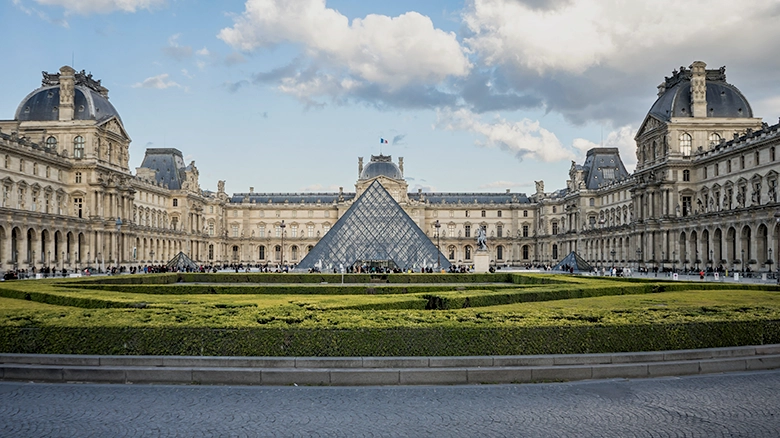
Louvre, Châtelet and central Paris
This is the easiest area for first-time visitors who want to walk to the Seine, Louvre, Tuileries, Île de la Cité and several central sights. It is not the cheapest option, but it can make a short break much simpler.
Saint-Germain and the Latin Quarter
Saint-Germain and the nearby Latin Quarter work well if you want cafés, bookshops, Left Bank streets, Luxembourg Gardens and easy access to central Paris without staying in the busiest tourist core.
Le Marais and Oberkampf
Le Marais is good for old streets, galleries, food, boutiques and evening wandering. Oberkampf is a little less polished and can suit travellers who want restaurants, bars and a more local neighbourhood feel.
Canal Saint-Martin and Gare du Nord
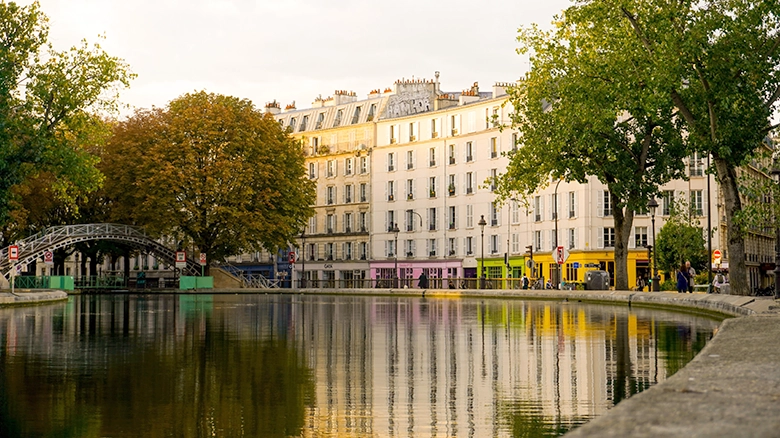
This area can work well if you arrive by Eurostar and want practical access to Gare du Nord, cafés, canals and a less obvious side of Paris. Choose carefully, as the feel changes street by street.
Eiffel Tower and the 7th arrondissement
The 7th works well if the Eiffel Tower, river walks, Rue Cler, Invalides and a classic Paris feel are high on your list. It can be quieter in the evening than parts of the Right Bank, though hotel prices can be higher.
For a day built around nearby streets, food and one worthwhile visit, see our guide to exploring Montmartre without rushing, including terrain and evening atmosphere.
Getting to Paris from the UK
Paris is one of the simplest European city breaks from the UK because you can travel by train or fly. If you are near London or can reach London easily, Eurostar is often the smoothest option because it arrives at Gare du Nord in the city rather than at an airport outside it.
If you fly, you are most likely to arrive at Charles de Gaulle or Orly. From Charles de Gaulle, the RER B is the main public transport route into Paris. From Orly, rail options include Metro Line 14 connections and routes using RER B with Orlyval, depending on where you are staying and what is most convenient at the time of travel.
For late arrivals, heavy luggage or a special trip, a taxi or pre-booked transfer may be worth considering. For a simple weekend with light luggage, public transport is usually fine, but check the latest route before travelling.
Food and drink ideas for a relaxed Paris break
Food is one of the best reasons to visit Paris, but you do not need to make every meal complicated. A good short break might include one classic bistro meal, one café breakfast, one market or bakery stop, one wine bar and one simple neighbourhood dinner.
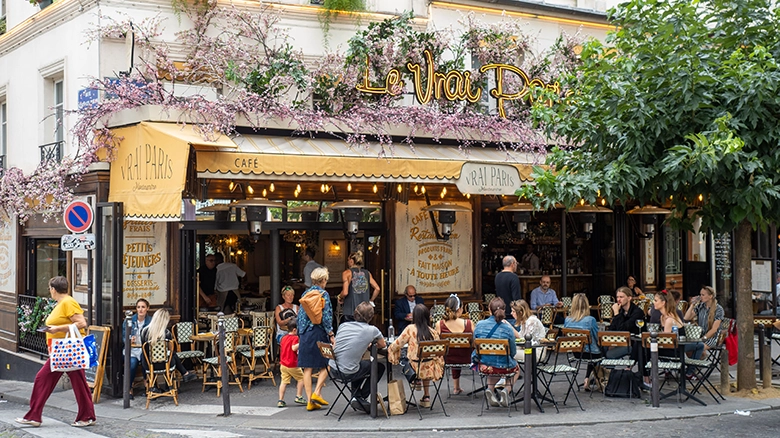
Good areas for food include Le Marais, Saint-Germain, the Latin Quarter, Canal Saint-Martin, Oberkampf and Rue Cler. Try a proper boulangerie breakfast, a simple croque monsieur, steak frites, onion soup, crêpes, pastries, cheese, wine or a relaxed prix fixe lunch.
The main thing is not to eat every meal beside the most obvious landmark. Walk a few streets away, look at menus properly and choose somewhere that feels comfortable rather than rushed.
Things worth booking before you go
You do not need to book every moment of a Paris city break, but a few things are worth arranging early. Reserve the experiences that matter most and leave the rest of the trip flexible.
Mistakes to avoid in Paris
Paris is easy to enjoy, but a short break can become tiring if you try to do too much or choose the wrong base.
A simple 3-day Paris plan
If you have three nights, use the 48-hour plan above and add one slower day. Good third-day ideas include Montmartre at a calmer pace, a deeper visit to Le Marais, a food tour, Musée d’Orsay, Père Lachaise, Canal Saint-Martin, Luxembourg Gardens or a longer Left Bank walk.
The third day should not feel like a race. Use it to see the side of Paris that suits you best, whether that is art, food, neighbourhoods, shopping, gardens or café time.
Who Paris is best for
Paris works well if you enjoy art, food, classic architecture, cafés, river walks, museums, gardens, shopping, romantic breaks and cities that reward slow wandering. It is also one of the strongest choices for a special weekend because the journey from the UK can be simple and the city still feels unmistakably different.
Who might not enjoy Paris as much
Paris may not suit travellers who dislike crowds, high hotel prices or busy transport. The famous sights are popular, and some areas can feel expensive or hectic. If you want a calmer trip, choose your hotel area carefully, start early, avoid trying to see everything and build in breaks.
Final thoughts
Paris is a classic city break for a reason. It gives you art, food, river views, famous sights, beautiful streets and plenty of quieter corners once you step away from the busiest places.
The best way to enjoy Paris is to keep the plan simple. Choose the right area to stay, book the things that matter, leave time for cafés and walking, and do not treat the city as a checklist. That is when Paris works best.
Considering travelling to Paris by train from the UK? Our rail guide explains the route, connections and realistic travel time, including an example starting in York.