
Lisbon at a glance
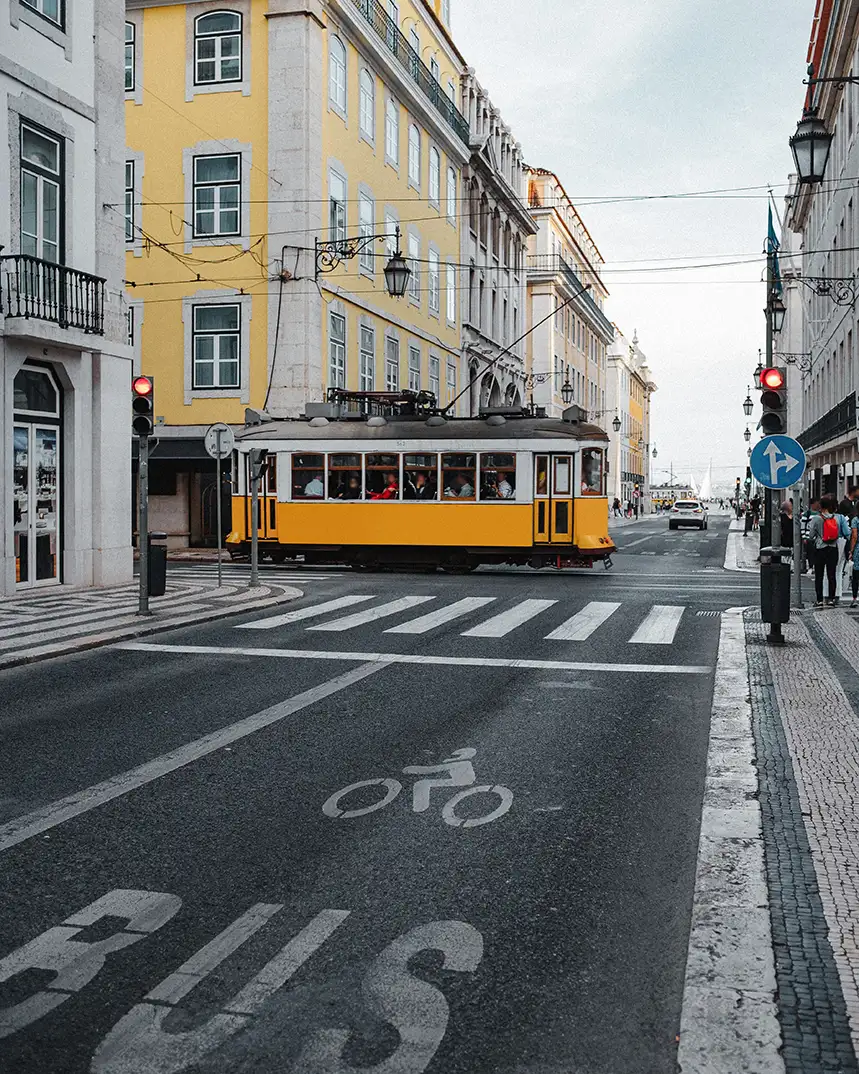
Lisbon suits travellers who want a city with character but do not want every day packed with major sights. The historic centre gives you tiled buildings, steep streets, river views, old trams, cafés and neighbourhoods that feel different from one another within a fairly compact area.
For a first visit, 2 to 3 nights is enough to see the central neighbourhoods at a comfortable pace. Stay in Baixa or Chiado for the easiest all-round base, choose Alfama for older streets and evening atmosphere, or look around Avenida da Liberdade and Príncipe Real if you prefer a calmer base with good restaurants and hotels.
Why Lisbon works well for a short break
Lisbon gives you a lot of variety without needing a complicated itinerary. You can spend the morning in the old streets around Alfama, stop for lunch in Baixa or Chiado, take a tram or funicular rather than walking every hill, and finish the day with a viewpoint, a relaxed dinner or live fado.
The city is also easy to reach from the UK, and Lisbon Airport is close to the centre. That matters on a two- or three-night break because you can spend less time transferring and more time in the city.
The main thing to remember is that Lisbon is hilly. A plan that looks short on a map can involve steep climbs, cobbles and steps. Build in coffee stops, use public transport when your legs need a break, and resist trying to cover every neighbourhood in one day.
A relaxed 48-hour Lisbon itinerary
This plan gives you Lisbon's main central neighbourhoods, one proper Belém visit and enough free time to enjoy the city rather than simply moving between attractions.
Baixa, Rossio and Chiado
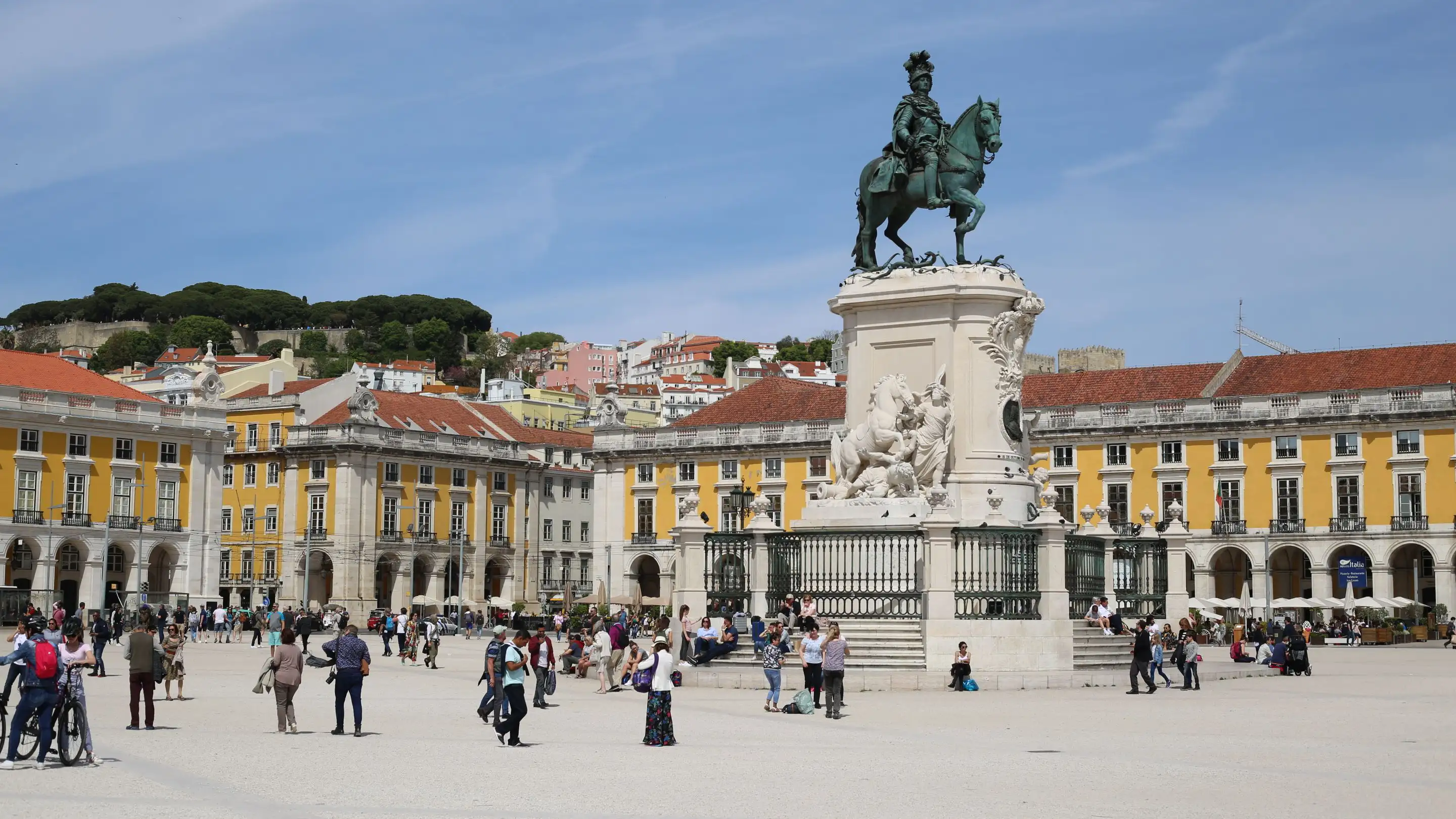
Start in Baixa, where the flatter grid of central streets makes an easy introduction to Lisbon. Walk through Rossio, Praça da Figueira and Rua Augusta before reaching Praça do Comércio and the river. This gives you a useful sense of the city before the hills begin.
From Baixa, climb towards Chiado at a steady pace. Stop for coffee rather than treating the walk as something to get through quickly. Chiado is good for bookshops, cafés, small shops and a slower wander before lunch.
Alfama, the cathedral and castle area
Use the afternoon for Alfama. The appeal here is not one single sight. It is the lanes, steps, viewpoints, tiled façades and the way the streets open unexpectedly towards the Tagus.
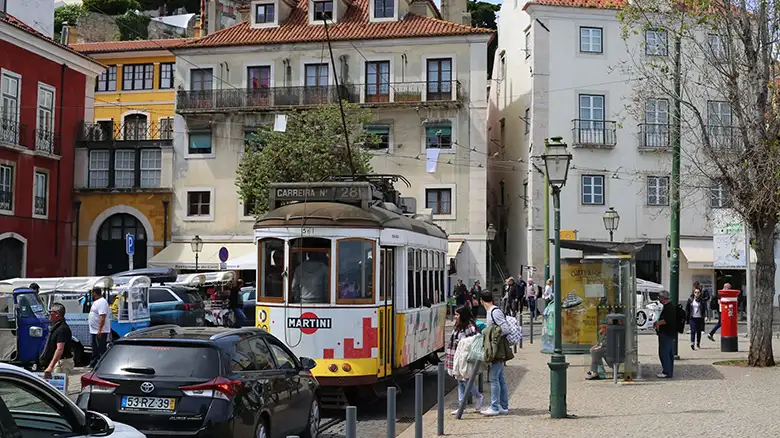
Work your way towards Lisbon Cathedral and the Castelo de São Jorge area. You do not need to ride Tram 28 for the whole route to enjoy the experience. A short tram ride, walking section and viewpoint stop often makes a more relaxed afternoon.
Fado, Bairro Alto or a quiet dinner
For the first evening, choose the atmosphere that suits you. Alfama is a natural choice if you want fado, Bairro Alto is livelier, while Chiado and Príncipe Real give you plenty of restaurants without needing a late night.
If a particular fado venue matters to you, book it rather than hoping for a table on arrival. If not, leave the evening open and choose somewhere that feels right as you walk.
Belém, riverside walking and pastries
Head to Belém in the morning and give it a proper half-day rather than treating it as a quick photo stop. The riverfront, Jerónimos Monastery area, Monument to the Discoveries and Belém Tower sit within a part of Lisbon that feels more open than the historic centre.
Make time for a pastel de nata and a slow riverside walk. Belém can become busy, so arriving earlier gives you a calmer start and leaves the afternoon free for another neighbourhood.
Príncipe Real, Bairro Alto and a viewpoint
Return towards the centre and spend the afternoon around Príncipe Real and Bairro Alto. Príncipe Real is a good contrast with Alfama: greener, calmer and useful for cafés, independent shops and a slower final afternoon.
Finish with one of Lisbon's miradouros. São Pedro de Alcântara is easy to combine with this area, while Santa Catarina works well if you are heading later towards Bica or Cais do Sodré.
Cais do Sodré, Chiado or one last hilltop drink
Keep the last evening simple. You could head down towards Cais do Sodré and the river, return to Chiado for dinner, or stay around Príncipe Real for a quieter meal and drink.
Lisbon is a city where the spaces between the main sights often become the best part of the trip. Leave enough time for a final walk rather than squeezing in another attraction.
Where to stay in Lisbon
For a short Lisbon break, choose the area before you choose the hotel. Baixa and Chiado are the simplest bases for a first visit. Alfama gives you more atmosphere but also more hills and uneven streets. Avenida da Liberdade and Príncipe Real suit travellers who want a slightly calmer or more polished base, while Belém works better for a slower stay than for a first two-night visit.
The hotel links below go directly to the hotels' own websites. Check current prices, room details and cancellation terms before booking.
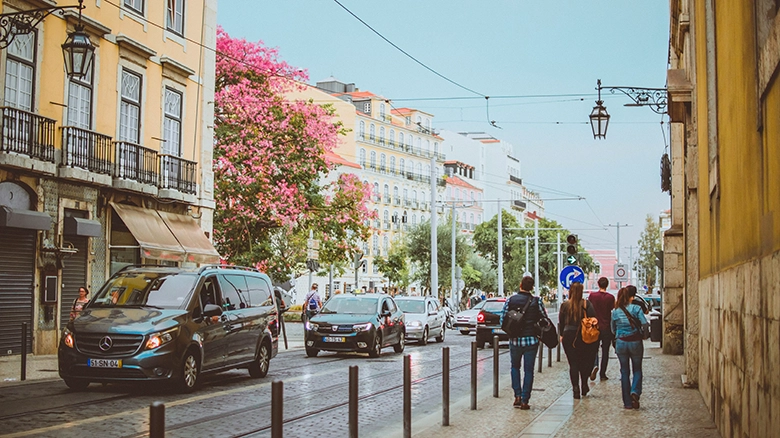
For a day built around nearby streets, food and one worthwhile visit, see our guide to spending a relaxed day in Alfama, including terrain and evening atmosphere.
Lisbon airport transfer advice
Lisbon Airport is close to the centre and has its own Metro station. The airport describes the Aeroporto to Saldanha route as taking about 20 minutes to downtown Lisbon, with onward Metro connections for other central areas.
The Metro is usually the simplest low-cost option if you are travelling light. A taxi or app-based transfer can be easier if you arrive late, have larger luggage or are staying in a steep part of Alfama where the final walk from public transport may be awkward.
Check the location of your hotel before choosing the transfer. In Lisbon, the distance from a station can look short while still involving cobbles, steps or a steep climb.
Food and drink ideas for a relaxed Lisbon break
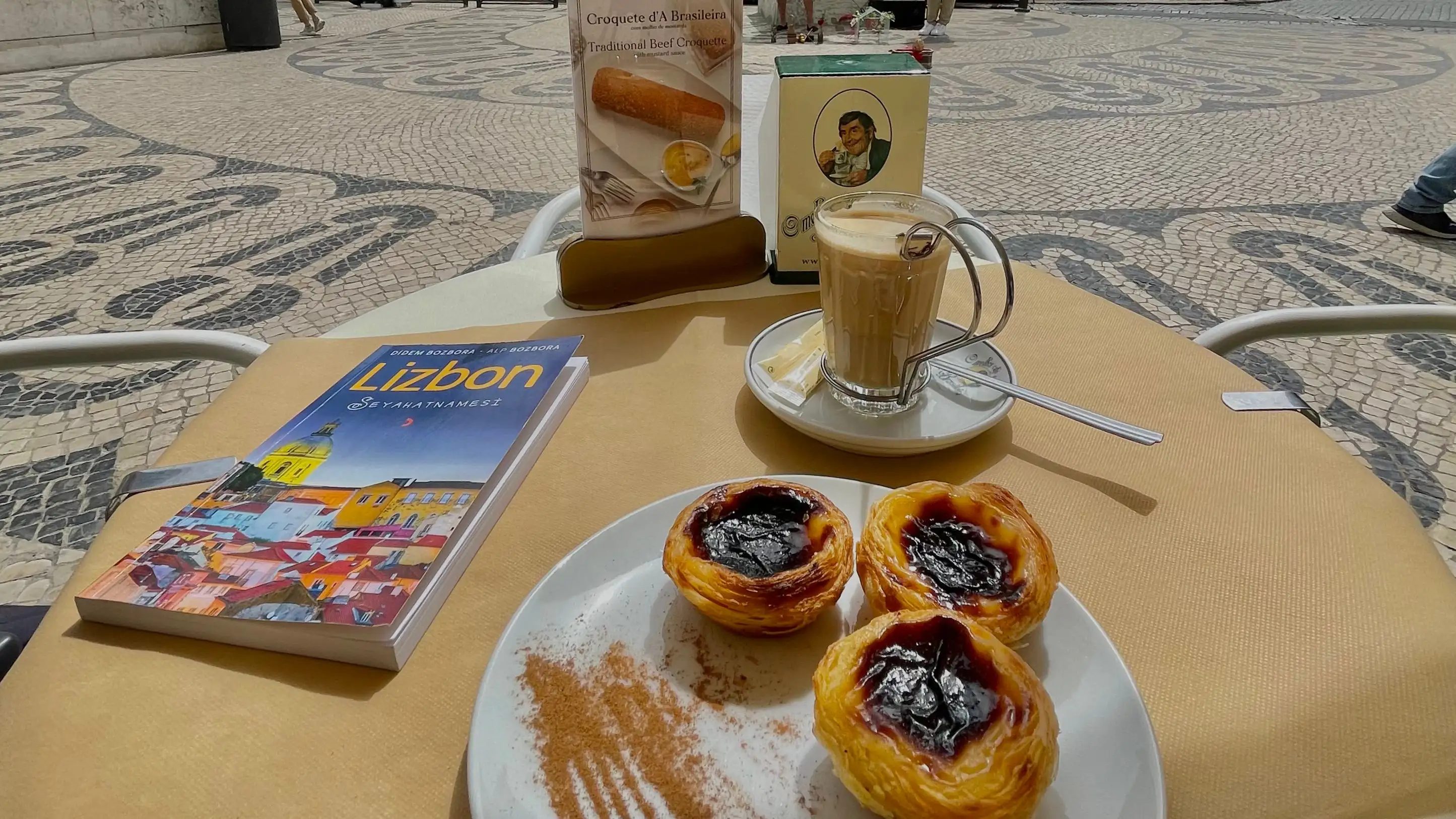
Lisbon is easy to enjoy without booking every meal. Build the trip around a few local experiences instead: a pastel de nata with coffee, a simple bifana, grilled fish or seafood, petiscos to share, and one slower Portuguese dinner.
Bacalhau appears in many forms and is worth trying if you enjoy cod. Ginjinha, a cherry liqueur, is another Lisbon classic, while the city's cafés and bakeries make it easy to stop between neighbourhood walks.
For a short trip, do not spend every meal in the most obvious tourist streets. Walk a few minutes away from the busiest squares, look at what is actually on the menu and leave room for somewhere you discover during the day.
Things worth booking before you go
You can keep most of a Lisbon city break flexible, but a few bookings can make a short visit easier.
Mistakes to avoid in Lisbon
Lisbon is straightforward to enjoy once you plan around its hills and neighbourhoods rather than trying to collect sights.
A simple 3-day Lisbon plan
If you have three nights, keep the 48-hour plan and use the extra day for one bigger choice. Sintra is the obvious day trip if you want palaces and a change of scenery. Cascais works better if you want coast and a slower day. You could also stay in Lisbon and spend more time around Estrela, the Gulbenkian, Ajuda or the riverside.
The extra day is most useful when it gives you breathing room rather than another tightly packed list.
Who Lisbon is best for
Lisbon works well if you enjoy historic streets, viewpoints, local food, neighbourhood wandering and a city break with plenty of places to stop for coffee or a drink. It also suits travellers who want a warm-feeling European capital without needing a car.
It may suit you less if steep hills and cobbles are difficult for you, although careful hotel choice and greater use of taxis or public transport can make the visit much easier.
Final thoughts
Lisbon is one of the easiest cities to turn into a relaxed two- or three-night break. The central neighbourhoods are varied, the airport is close, the food is easy to enjoy and the river gives the city space when the old streets feel busy.
Choose the right hotel area, plan around the hills, give Belém enough time and leave some gaps in the itinerary. Lisbon is better when you have time to sit down and look around.
Planning more relaxed city breaks?
Compare Lisbon with Prague, Berlin, Alicante and Edinburgh, then choose the city that best matches the pace you want from your next short break.