
Best city breaks in Europe at a glance
Europe has dozens of possible city breaks, but the best choice depends on the type of trip you want. Some cities are perfect for history and old streets, some are better for food and nightlife, and others work well when you want sunshine, sea air and a slower pace.
This guide is designed to help UK travellers choose a city break without getting lost in too many options. Instead of trying to list every city in Europe, it focuses on practical, enjoyable breaks that work well for 2 to 3 nights.
How to choose the right European city break
The best city break is not always the most famous one. It is the city that matches the way you actually like to travel. If you want slow mornings, cafés and wandering, choose somewhere compact. If you want museums and history, pick a city where the main sights are close together. If you want sunshine, look at cities where the old town, waterfront and food areas are easy to combine.
For most short trips, I would choose the city first, the neighbourhood second and the hotel third. A good hotel in the wrong area can make a short break harder than it needs to be. A simple hotel in the right area often works much better.

The best European city breaks to consider
These are the finished City Break Explorer guides that now sit at the centre of the site. Each one is designed for a relaxed short break, with practical advice on what to see, where to stay, airport transfers, food ideas and mistakes to avoid.
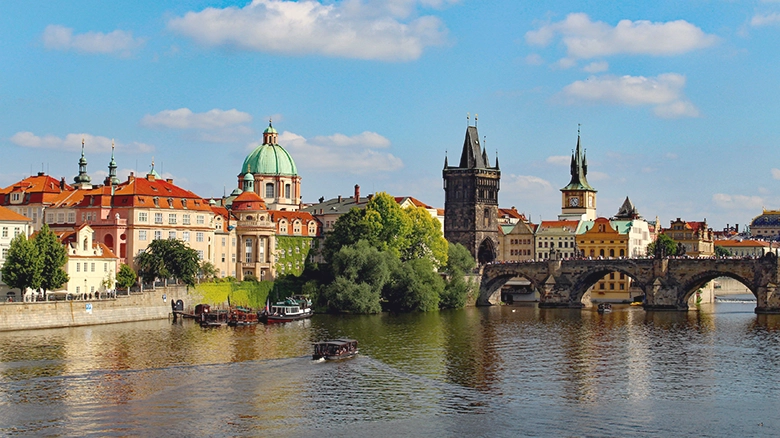
Prague
History, old streets and beer halls
Best for a classic first European city break with castle views, quiet gardens and easy walking.
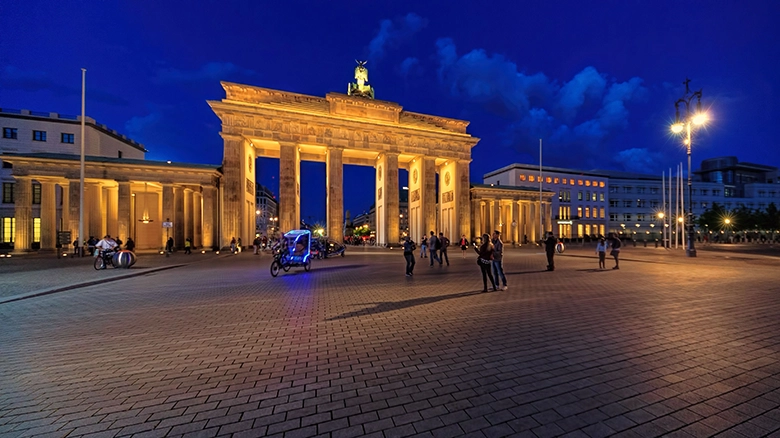
Berlin
Culture, history and neighbourhoods
Best for museums, Cold War history, food markets, creative areas and a bigger-city feel.
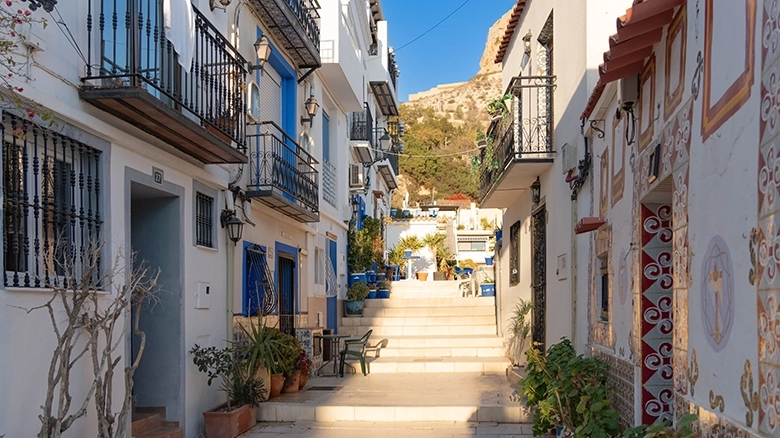
Alicante
Old town, castle views and beaches
Best for sunshine, sea air, tapas, easy old-town walks and a relaxed Mediterranean break.
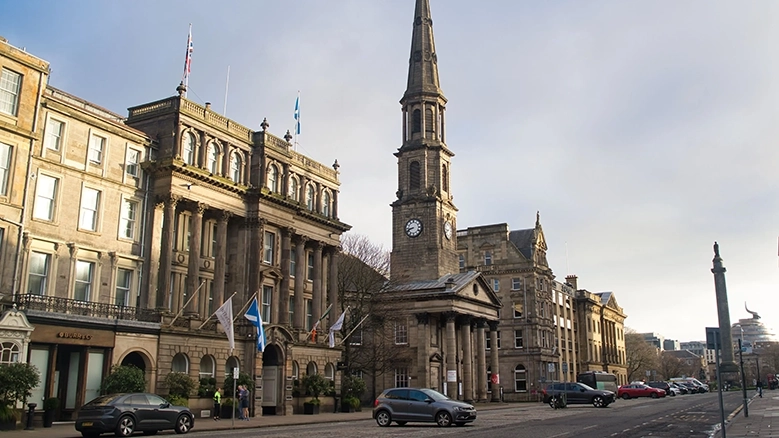
Edinburgh
Castle views, Old Town and whisky
Best for UK travellers who want dramatic streets, history, pubs, viewpoints and no flight if travelling by rail.
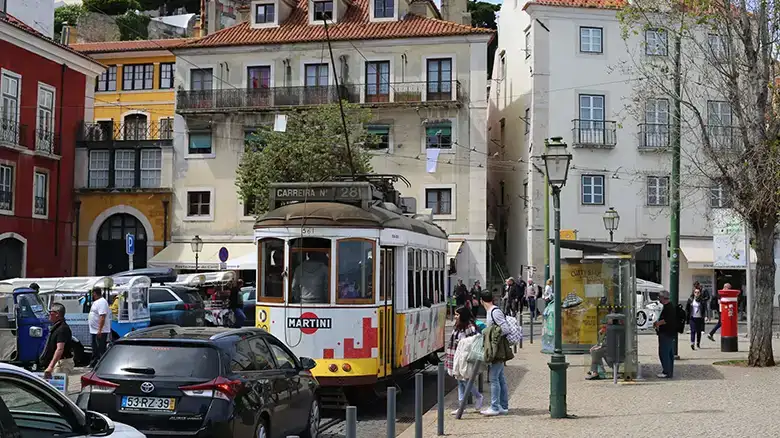
Lisbon
Hills, trams and river views
Best for viewpoints, neighbourhood wandering, seafood, tiles, Fado and a warm city-break feel.
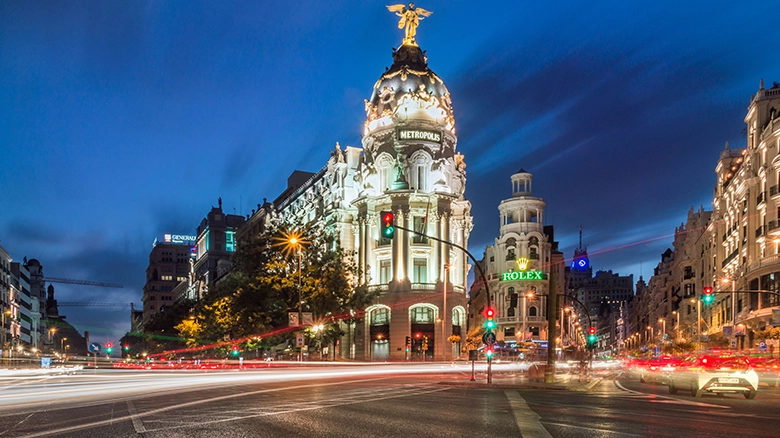
Madrid
Art, tapas and late evenings
Best for galleries, plazas, markets, parks and travellers who like a lively evening atmosphere.
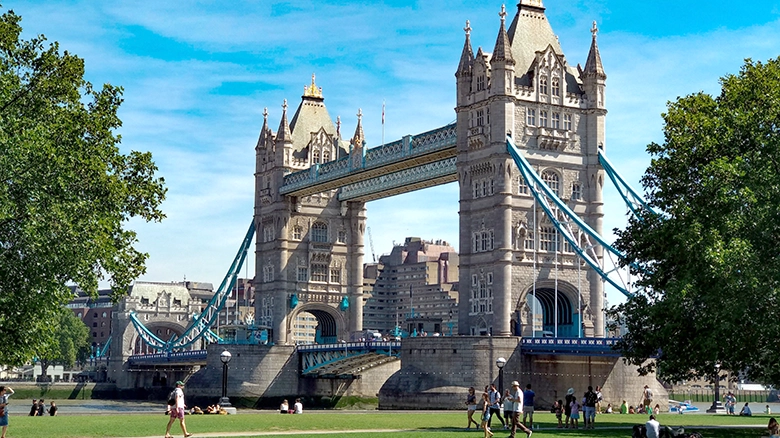
London
Big sights without over-planning
Best for museums, theatre, riverside walks, markets and flexible UK city breaks.
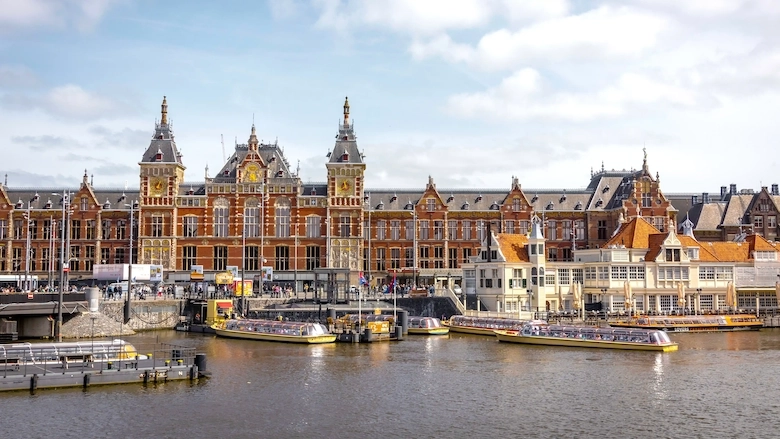
Amsterdam
Canals, museums and easy wandering
Best for canal walks, neighbourhoods, galleries, cafés and relaxed short-break exploring.
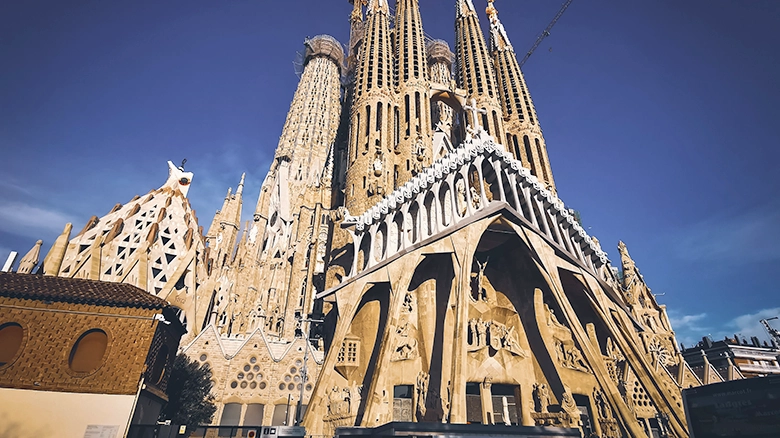
Barcelona
Gaudí, tapas and sea air
Best for architecture, food, beach edges, Gothic Quarter walks and warm weekend energy.
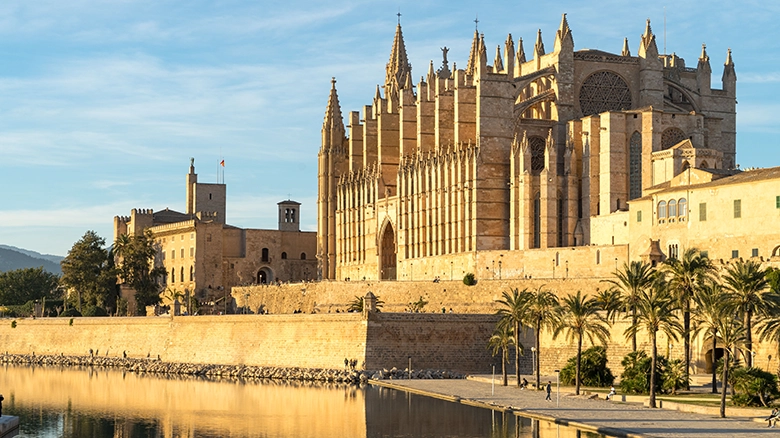
Palma
Old town, marina and Mediterranean food
Best for travellers who want a city break with sunshine, cathedral views, tapas and sea air.
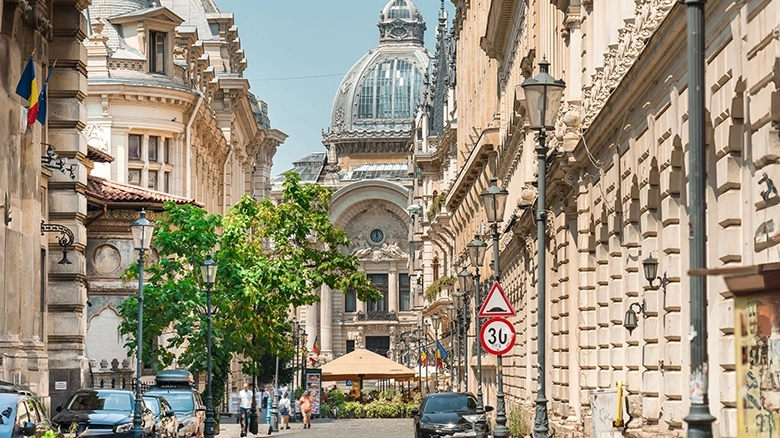
Bucharest
Old Town, culture and value
Best for a lower-cost city break with grand boulevards, cafés, history and a different European feel.
Best city breaks by travel style
If you are not sure where to go next, start with the style of trip you want. That is usually easier than starting with a long list of city names.
A simple 48-hour city break plan
Most European city breaks work best when you avoid packing the trip too tightly. Use the first day for the most famous area and the second day for a slower neighbourhood, market, museum or viewpoint.
Day 1: arrive, settle in and see the obvious sights
Use the first day to get your bearings. Walk the old town or main central area, visit one major sight, have a relaxed lunch or coffee stop, then keep the evening simple with dinner near your hotel or in a nearby neighbourhood.
Day 2: go deeper and slow the pace
Use the second day for a quieter district, food market, museum, riverside walk, beach edge or viewpoint. This is often the day when the city starts to feel more personal and less like a checklist.
Day 3: one final area before travelling home
If you have a third morning, avoid anything complicated. Choose one final neighbourhood, one breakfast spot, one easy walk or one gallery close to your hotel or transport route.
Where to stay on a European city break
Where you stay can shape the whole trip. For a short break, I would usually pay more attention to the area than to small differences in hotel facilities. A hotel that saves you 30 minutes each day can be worth more than one with a slightly larger room.
The safest approach is to stay close to the area you will use most. First-time visitors often do best near the old town, main station, central neighbourhood or waterfront. Repeat visitors may prefer a quieter area with better food, cafés and evening atmosphere.
Things worth booking before you go
You do not need to book every minute of a city break, but a few things are worth sorting before you leave. Reserve the experiences that matter most and keep enough free time to enjoy the city at a comfortable pace.
Mistakes to avoid when choosing a city break
Most city break mistakes come from trying to save money in the wrong place, staying too far from the places you want to see, or building an itinerary that looks good on paper but feels tiring in reality.
All finished City Break Explorer guides
Use these guides to plan the next stage of your trip. Each one follows the same practical format, with a 48-hour plan, where to stay advice, food ideas, transfer help and mistakes to avoid.
Best time of year for a European city break
The right season depends on the city. Spring and autumn are often the easiest choices for walking, sightseeing and fewer crowds. Summer works well for beach-edge cities, but can be hot and busy. Winter can be excellent for museums, food, Christmas markets and lower prices in some destinations.
Final thoughts
The best European city break is not just about choosing a famous city. It is about choosing the right pace, the right area to stay, and the right amount of planning for the time you have.
If you are travelling from the UK for 2 or 3 nights, keep things simple. Choose a city that suits your mood, stay in a practical area, book the key things early, and leave enough room to enjoy the city properly.