
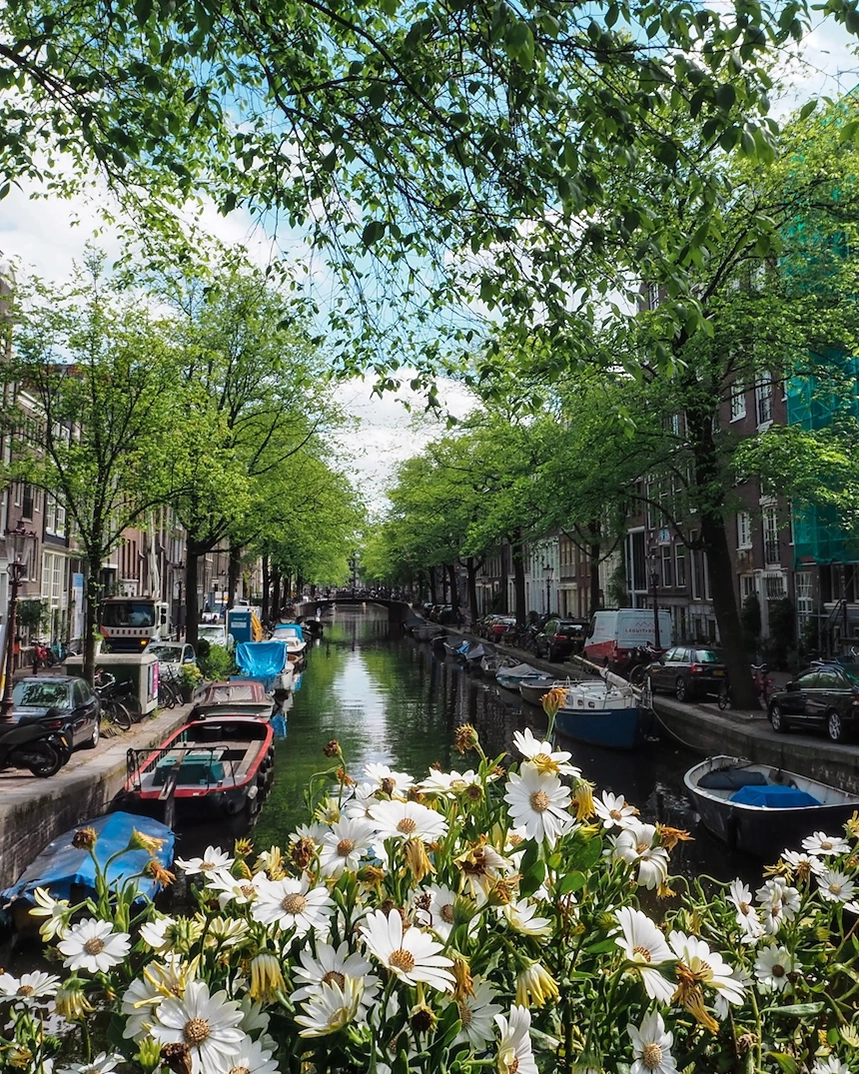
Amsterdam at a glance
Amsterdam is compact enough for a short break, but the city becomes much more enjoyable when you stop thinking only about Dam Square and the busiest canal streets. The centre, Jordaan, Museum Quarter and De Pijp all sit close enough to combine without spending half the day on transport.
For a first visit, choose two or three headline attractions, then let the canals and neighbourhoods do some of the work. A morning at the Rijksmuseum followed by a walk through De Pijp often makes a better day than trying to squeeze three museums into the same afternoon.
Why Amsterdam works for a short break
Amsterdam gives you a lot of variety in a relatively small area. Historic canals, major art collections, local markets, parks and neighbourhood restaurants can all fit into one weekend without needing a car or long journeys across the city.
The city also works well for repeat visits. Once you have seen the Rijksmuseum, Anne Frank House and the central canals, a later trip can focus on Jordaan, De Pijp, Westerpark, Amsterdam Noord or the eastern docklands and feel quite different.
The key is to book the attractions that genuinely need a time slot and leave everything else loose. Amsterdam is at its best when you have time to walk one more canal, stop for coffee or change direction because a side street looks interesting.
A relaxed 48-hour Amsterdam itinerary
This route gives a first-time visitor the classic canal city, one strong museum morning, Jordaan, De Pijp and a taste of Amsterdam Noord without forcing too much into either day.
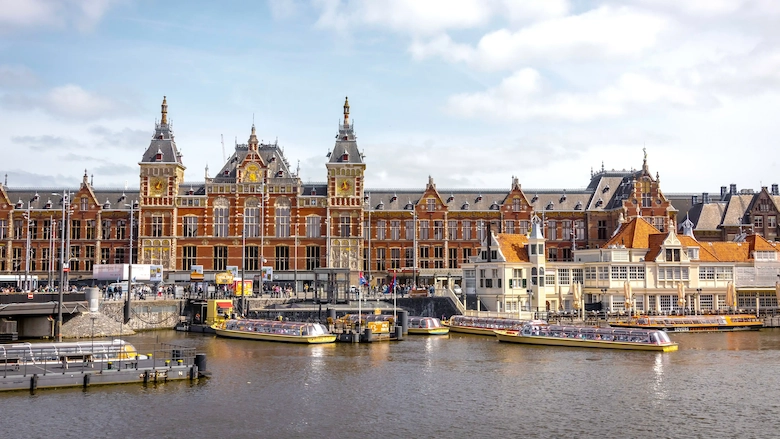
Centraal Station, the Canal Ring and Jordaan
Start from Amsterdam Centraal and walk into the old centre rather than immediately jumping on a tram. Cross towards the western canals, then work your way through Brouwersgracht and into Jordaan. The streets around Noordermarkt, Westerstraat and the smaller canals give you the Amsterdam most people imagine before they arrive.
If the Anne Frank House is a priority, build the morning around your timed ticket. Do not rely on buying admission when you arrive. If you are not visiting the museum, continue along Prinsengracht and enjoy the surrounding streets at a slower pace.
Allow two to three hours, longer if you have an Anne Frank House booking.
Nine Streets, Begijnhof and a canal cruise
Continue through the Nine Streets, where small shops and cafés sit between the main canals. From here you can reach Begijnhof and Spui without adding a transport journey.
A canal cruise works well late in the afternoon because it lets you sit down while still seeing the city. Choose a smaller open boat if you prefer a more personal feel, or a covered boat when the weather is unreliable.
Jordaan or Oud-West for dinner
Stay west of the centre for the evening rather than heading back towards the busiest tourist streets. Jordaan gives you traditional brown cafés and intimate restaurants, while Oud-West has a broader choice around De Hallen and Foodhallen.
Keep the first evening easy. Amsterdam is a walking city, and an early start plus several hours on cobbles can be more tiring than the map suggests.
Rijksmuseum, Museumplein and Vondelpark
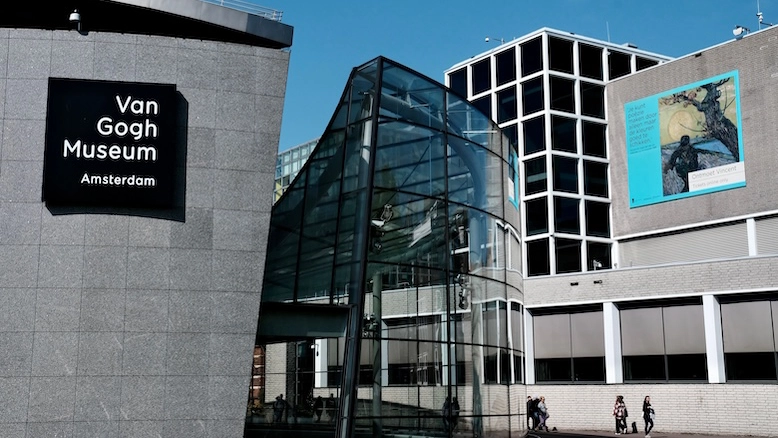
Make the Rijksmuseum the main visit of the morning if Dutch art and history interest you. If Van Gogh matters more, book that instead rather than trying to rush both collections back-to-back.
After the museum, cross Museumplein and take a short walk into Vondelpark. This gives you a change of pace before lunch and keeps the morning in one compact area.
De Pijp, Albert Cuyp Market and the Amstel
Walk or take a short tram ride to De Pijp. Browse Albert Cuyp Market, stop for lunch and wander the streets around Sarphatipark rather than treating the neighbourhood as one market visit.
If you want a longer walk, head east towards the Amstel and Magere Brug. If your energy is fading, stay in De Pijp and enjoy the cafés instead. The point of the second afternoon is to see a lived-in part of Amsterdam, not add another checklist.
Amsterdam Noord or a final canal-side dinner
For a different view of the city, take one of the free ferries behind Centraal Station to Amsterdam Noord. NDSM is good when you want industrial architecture, creative spaces and waterside views.
If you prefer a quieter final evening, stay south of the IJ and choose dinner near Utrechtsestraat, De Pijp or your hotel. There is no prize for crossing the city again just to reach a restaurant on someone else’s list.
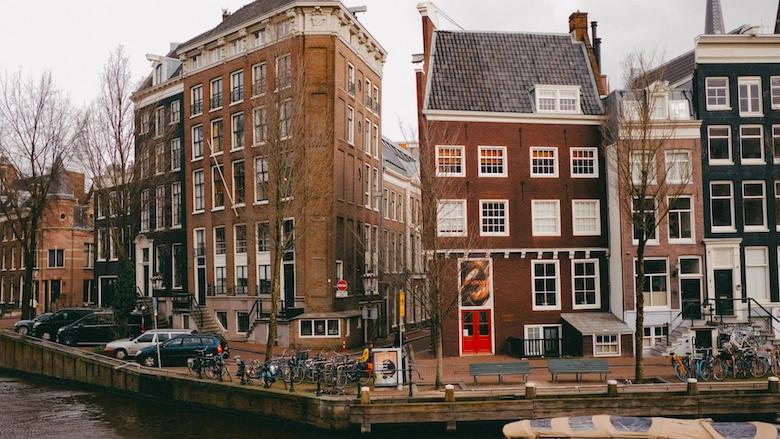
Where to stay in Amsterdam
Amsterdam hotel prices can be high, so location matters. A room just outside the historic core can offer better value while keeping the centre easy to reach by tram or metro. The original Amsterdam guide already contained a useful hotel list, and those choices have been retained wherever the property is still operating.
One original listing has changed. The Arcade Hotel brand says it no longer exists; the hotel at the same Sarphatipark address now operates as De Pijp Boutique Hotel. The new guide uses the current name and official link rather than sending readers to a closed brand.
For a day built around nearby streets, food and one worthwhile visit, see our guide to a relaxed day in Jordaan, including terrain and evening atmosphere.
Arriving in Amsterdam and getting around
Schiphol is one of the easier major European airports for a city break because the railway station sits directly beneath the terminal complex. Trains run frequently to Amsterdam Centraal, so check whether Centraal, Amsterdam Zuid or another station is actually closest to your hotel before following the crowd.
Within Amsterdam, walking is the best way to understand the centre. For longer journeys, GVB trams, metros and buses cover the main neighbourhoods, and contactless bank cards and phones can be used to check in and out. Keep the same card or device for the whole journey.
The ferries behind Amsterdam Centraal are useful for Amsterdam Noord. They are also part of the experience: a short crossing gives you a completely different view back towards the old city.
Cycling is part of Amsterdam life, but visitors should not feel obliged to hire a bike. If you are not confident in busy cycle lanes, walking and public transport will make the weekend far more relaxed.
Food and drink ideas for a short Amsterdam break
Amsterdam is much more than stroopwafels and chips, although there is nothing wrong with including both. Indonesian food is a strong part of the city’s eating culture, and a rijsttafel can make a good evening meal when you want something distinctively Amsterdam.
For easy lunches, Foodhallen suits an Oud-West afternoon and Albert Cuyp Market fits naturally into De Pijp. Jordaan is a good area for cafés and traditional brown bars, while Utrechtsestraat has plenty of options when you want dinner away from the most crowded central streets.
Try poffertjes, Dutch apple pie, mature Gouda and local beer during the weekend, but do not force every meal to become a Dutch-food project. Amsterdam has a broad international restaurant scene and some of the best meals may simply be whatever looks good in the neighbourhood you are already exploring.
Things worth booking before you go
Amsterdam is a city where a few advance bookings make the whole weekend easier. You still want plenty of unplanned time, but the most popular attractions operate best when you secure your slot first.
Mistakes to avoid on an Amsterdam city break
Amsterdam is easy to explore, but a few common choices can make a short trip feel harder than it needs to.
A simple 3-day Amsterdam plan
With a third day, choose one direction rather than adding more central attractions. Amsterdam Noord and NDSM work well for contemporary architecture and creative spaces. Amsterdamse Bos suits a slower outdoor day, while the eastern docklands offer modern architecture and a less touristy waterfront.
If you want to leave the city, Haarlem is an easy option for a compact historic centre and museums. Zaanse Schans is another popular choice when windmills and traditional Dutch scenery matter more than an extra Amsterdam neighbourhood.
Who Amsterdam is best for
Amsterdam suits travellers who like to mix culture with unstructured wandering. You can spend two hours with Rembrandt and Vermeer, then step outside and spend the next two hours following canals with no particular destination.
It also works well for couples, friends and solo travellers because the centre is easy to navigate and evenings do not need elaborate planning. If your idea of a good city break includes museums, cafés, architecture, food and time on foot, Amsterdam is difficult to beat.
Final thoughts
The best Amsterdam weekend combines the famous city with the quieter one. See the canals and one or two major museums, but give Jordaan, De Pijp and the smaller streets enough time to become more than scenery between attractions.
Book the few things that sell out, stay somewhere that makes your daily route easy, and leave enough space in the plan for a canal-side coffee, a market lunch or an unplanned ferry ride.
Considering travelling to Amsterdam by train from the UK? Our rail guide explains the route, connections and realistic travel time, including an example starting in York.
Planning more relaxed city breaks?
Compare Amsterdam with London, Madrid, Lisbon, Edinburgh, Alicante, Prague and Berlin when you are choosing your next short European break.