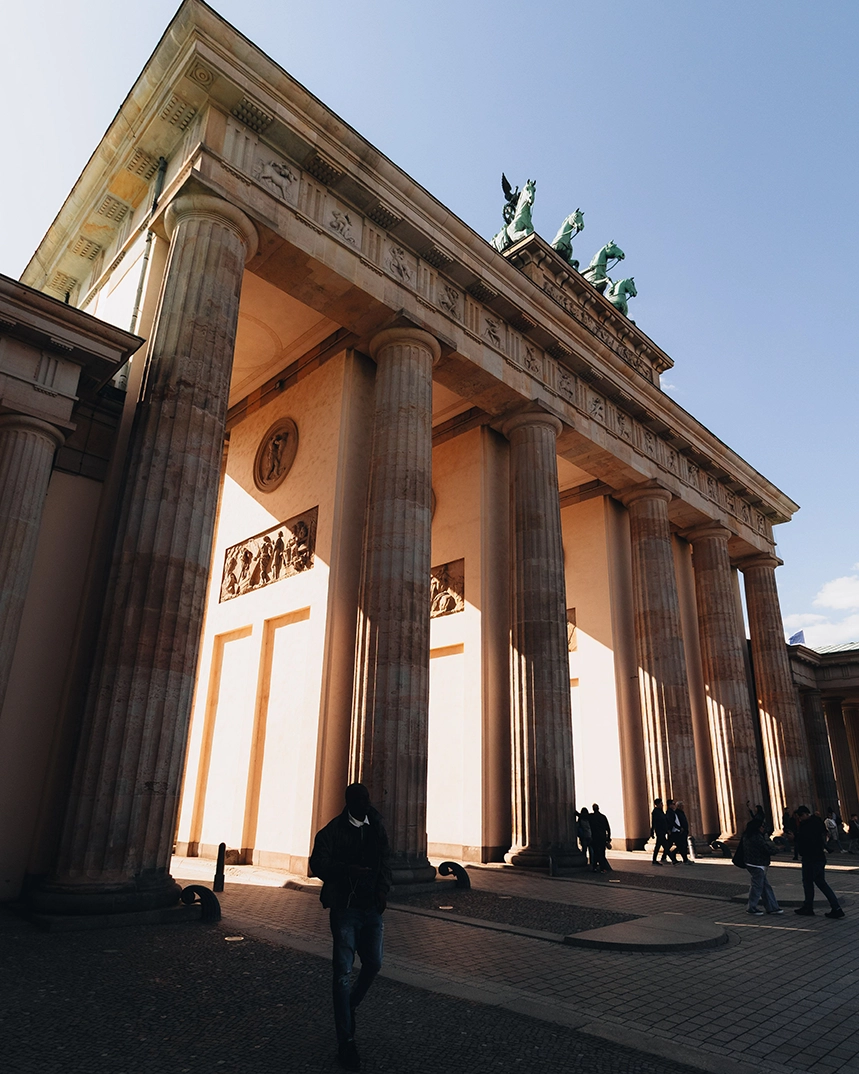
Berlin at a glance
Berlin is best for history, museums, street art, food, creative neighbourhoods and a city break that feels different from the usual pretty old-town weekend. It is large and spread out, but public transport makes it easy to plan a relaxed short stay without hiring a car.
A good first visit is usually 2 to 3 nights. Mitte is the simplest base for first-time sightseeing, Charlottenburg works well for a calmer west-Berlin stay, Friedrichshain suits food, bars and nightlife, and Prenzlauer Berg is good for cafés, markets and slower neighbourhood wandering.
Why Berlin works well for a city break
Berlin works well for a city break because it gives you history, food, art, architecture and neighbourhood life in one trip. It is not a compact city like Prague or Edinburgh, so the trick is not to try to walk everywhere. Choose a base carefully, use public transport, and build each day around one or two areas.
For a first visit, focus on the central history route around Brandenburg Gate, the Reichstag, Unter den Linden, Museum Island and the Berlin Wall Memorial. Then add a different side of the city with Kreuzberg, Friedrichshain, Charlottenburg or Prenzlauer Berg.
Berlin is at its best when you mix the famous sights with time for cafés, markets, parks, street art, river walks and simple meals. It is a city that rewards curiosity more than speed.
A relaxed 48-hour Berlin itinerary
This itinerary works well for a Friday-to-Sunday break. It keeps the main sights, but avoids turning the weekend into a race across the city.
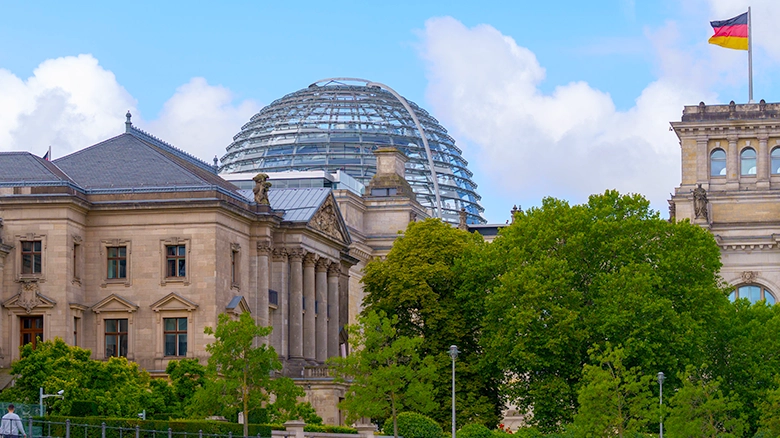
Brandenburg Gate, Reichstag and the historic centre
Start around Brandenburg Gate. It gives you an immediate sense of Berlin’s history and is close to several important stops, including the Reichstag, the Memorial to the Murdered Jews of Europe and the edge of Tiergarten.
Do not rush this part of the city. The distances are manageable, but the history is heavy, so give yourself time to take it in properly. If you want to visit the Reichstag dome, check the entry and registration details before travelling.
Good nearby stops include Brandenburg Gate, the Reichstag exterior, Unter den Linden, the Holocaust Memorial, Pariser Platz and the western edge of Tiergarten. Allow around 2 to 3 hours.
Museum Island, Hackescher Markt and central Berlin
After the historic centre, move towards Museum Island and the streets around Hackescher Markt. You can keep this simple by choosing one museum or just enjoying the architecture, courtyards and nearby streets.
If you like museums, do not try to see all of Museum Island in one afternoon. Choose the museum that interests you most and leave the others for another visit.
Good nearby stops include Museum Island, Berlin Cathedral, Hackescher Markt, Hackesche Höfe and the Spree riverside. Allow around 3 to 4 hours depending on whether you go inside a museum.
A relaxed meal in Mitte or Prenzlauer Berg
For your first evening, stay fairly close to your hotel or choose a neighbourhood with easy transport back. Mitte is simple if you are staying centrally, while Prenzlauer Berg is good for a calmer evening with cafés, restaurants and bars.
Berlin has everything from currywurst and döner to modern restaurants and craft beer. You do not need a complicated plan. Pick an area, check a few menus, and avoid spending the whole evening crossing the city.
Berlin Wall Memorial and Cold War history
Start your second day at the Berlin Wall Memorial on Bernauer Strasse. It is one of the best places to understand the division of the city without reducing Berlin Wall history to a quick photo stop.
From there, you can continue towards Prenzlauer Berg for cafés and a slower late morning, or return towards Mitte if you want more central sightseeing.
Allow around 1.5 to 2.5 hours, depending on how much of the memorial and exhibition areas you want to see.
East Side Gallery, Friedrichshain and Kreuzberg
Use the afternoon to see a different side of Berlin. The East Side Gallery gives you a long open-air section of the Berlin Wall covered in murals, while nearby Friedrichshain and Kreuzberg are good for street art, food, cafés and a less formal city feel.
If you want a slower afternoon, walk part of the river, stop near Boxhagener Platz, or head towards the Landwehr Canal. Berlin does not have to be all museums and memorials.
Food, beer or a low-key Berlin night out
Berlin is famous for nightlife, but you do not need to chase the big club scene to enjoy the city. A relaxed beer hall, casual restaurant, rooftop bar, neighbourhood wine bar or craft beer stop can be a much better fit for a short break.
Choose the evening based on your base. Friedrichshain and Kreuzberg are livelier, Prenzlauer Berg is easier and calmer, and Charlottenburg works well if you want a more polished evening.
Neighbourhoods and quieter places to add to your Berlin trip
Berlin’s main sights matter, but the city becomes more enjoyable when you understand its neighbourhoods. For a short break, choose one or two extra areas rather than trying to see the whole city.
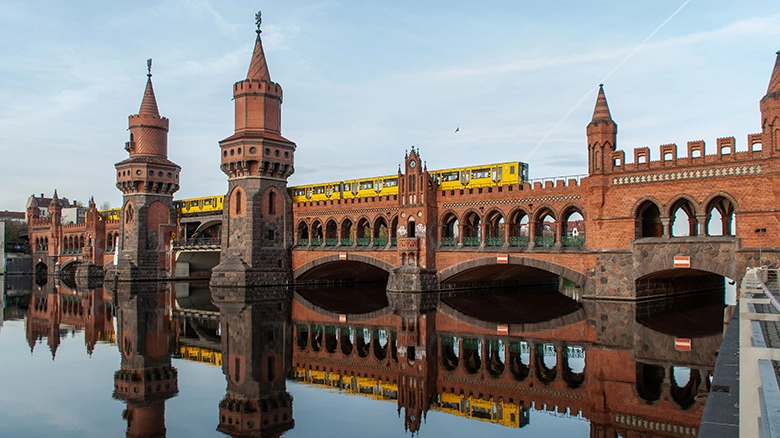
Mitte
Mitte is the easiest area for a first Berlin visit. It places you close to Museum Island, Brandenburg Gate, Unter den Linden, Hackescher Markt and many of the city’s best-known sights. It is practical rather than hidden, but it saves time on a short break.
Kreuzberg and Friedrichshain
Kreuzberg and Friedrichshain give you a more creative and informal side of the city, with street art, cafés, casual food, bars and the East Side Gallery. These areas are lively, so they work best if you want energy rather than a quiet hotel base.
Prenzlauer Berg
Prenzlauer Berg is a good area for slower wandering, cafés, weekend markets and leafy streets. It is a useful contrast to the heavier history of central Berlin and works well for a relaxed late morning or early evening.
Charlottenburg and the Zoo area
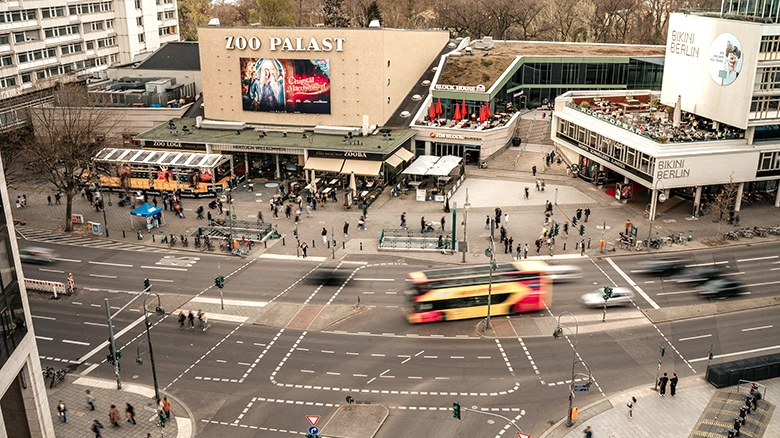
Charlottenburg is good if you want a calmer, more polished base with shopping, restaurants, Tiergarten nearby and easy transport. The Zoo area is also useful for first-time visitors who prefer west Berlin or want a hotel with good connections.
Tempelhofer Feld
Tempelhofer Feld is a former airport that has become a huge open public space. It is not essential on a packed 48-hour trip, but it is a brilliant extra if you have a third day or want to see a very Berlin kind of public space.
Where to stay in Berlin
Where you stay matters in Berlin because the city is large. A hotel that looks close on a map may still involve several transport changes. For a short break, choose the area first, then the hotel.
Mitte is easiest for first-time sightseeing, Charlottenburg and the Zoo area suit a calmer and slightly more polished stay, Friedrichshain is better for nightlife and creative energy, and Prenzlauer Berg is good for cafés, markets and a softer neighbourhood feel.
Airport transfer advice
Berlin Brandenburg Airport is well connected to the city by public transport. The Airport Express, regional trains and S-Bahn services are usually the simplest options for most city break visitors, especially if your hotel is close to a useful station.
Berlin’s ticket system uses fare zones. For travel between BER Airport and central Berlin, you normally need a ticket covering zones ABC because the airport is in zone C. Check the latest fares before travelling and validate or activate your ticket properly.
A taxi or pre-booked transfer can be easier after a late flight, with heavy luggage, or if you simply want a smoother arrival. Public transport is usually better value, but convenience can be worth paying for on a short break.
Food and drink ideas for a relaxed Berlin break
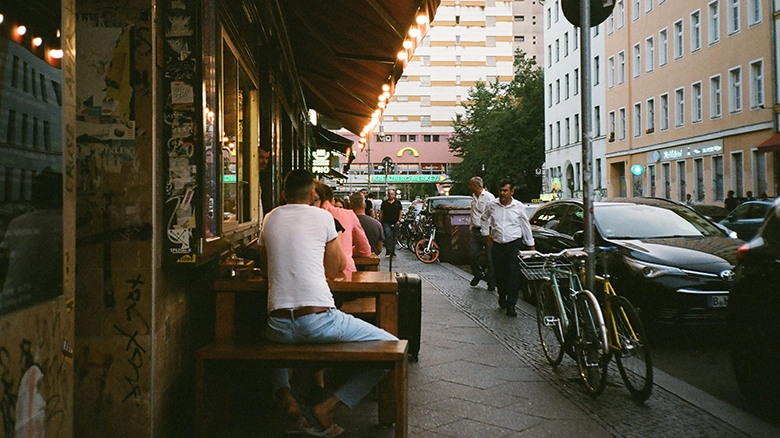
Berlin is easy to enjoy without making food complicated. For a short trip, aim for one simple Berlin street-food stop, one relaxed café or brunch, one good neighbourhood meal and one casual beer or wine stop.
Classic things to try include currywurst, döner kebab, schnitzel, pretzels, cakes, craft beer and coffee. You will find plenty of choice in Mitte, Prenzlauer Berg, Kreuzberg, Friedrichshain and Charlottenburg.
Avoid choosing every meal around the busiest tourist sights. Berlin’s better food experiences often come when you pick a neighbourhood and give yourself time to wander.
Things worth booking before you go
You do not need to book every minute of a Berlin city break, but a few things are worth sorting early so the weekend runs smoothly.
Mistakes to avoid in Berlin
Berlin is rewarding, but it is easy to make a short break harder than it needs to be. The main mistake is treating it like a compact old city where everything sits close together.
A simple 3-day Berlin plan
If you have three nights, use the 48-hour plan above and add one slower day. Good third-day ideas include Charlottenburg Palace, Tempelhofer Feld, a longer Museum Island visit, Potsdam, more time in Kreuzberg, or a food-focused day around Prenzlauer Berg and Friedrichshain.
The third day should not become a race. Berlin is better when you give each area enough time to breathe.
Who Berlin is best for
Berlin works well if you enjoy history, museums, street art, food, creative neighbourhoods, nightlife, cafés, public transport and cities with lots of layers. It is also good for repeat city-break travellers who want more than a pretty old town.
Berlin may not suit you as much if you want everything to be compact, polished and easy to see on foot. It is large, sometimes rough around the edges, and better when you accept that each neighbourhood has its own mood.
Final thoughts
Berlin is a brilliant city break from the UK if you plan it properly. It gives you history, food, culture, museums, parks, street art and neighbourhoods that feel different from one another.
The best way to enjoy Berlin is to keep the plan simple. Choose the right area to stay, use public transport, book the few things that matter, and leave space for cafés, parks, markets and unexpected corners of the city.
Considering travelling to Berlin by train from the UK? Our rail guide explains the route, connections and realistic travel time, including an example starting in York.
Use this as your Berlin starting point
Pick your hotel area first, then build your 48-hour plan around the parts of Berlin that interest you most. That will make the trip feel easier, calmer and more enjoyable.