
Solo travel can feel confident without pretending risk does not exist
Travelling alone gives you control over the pace, budget and shape of the day. You can spend longer in a museum, change neighbourhood after lunch or simply stop when you have had enough. The trade-off is that every small decision—from finding the hotel to handling a cancelled train—belongs to you.
No city is completely safe, and a league table cannot predict how one traveller will experience a destination. A better plan is to choose a city that is easy to navigate, check the current risks that apply to you and build a few useful fallbacks before leaving home.
This guide was reviewed on 1 October 2026. Entry rules, local laws, transport and safety conditions can change, so use it alongside current official advice.
Choose an easy city, not a “safest city” headline
For a first solo break, convenience is a genuine safety feature. A direct airport or station route, a central hotel and simple public transport reduce the number of decisions you must make when tired or carrying luggage.
Also consider the season. Very short winter days, extreme summer heat, major festivals or a late-night flight can make an otherwise easy city feel more demanding.
Four practical choices for a first solo European city break
These are not claims that one city is safer than another. They are destinations where an independent visitor can build a compact, interesting trip with established transport and plenty to do alone. Each comes with a trade-off worth planning for.
Do four checks before you book
Start with the FCDO travel advice for your destination. Read the entry requirements, safety and security, health and local-law sections rather than relying on a general social-media post. Sign up for alerts if the situation could change before your trip.
The official foreign travel checklist recommends carrying a backup way to access accommodation, flight, passport, contact and insurance details. A GHIC or valid EHIC can be useful for eligible state healthcare, but it does not replace travel insurance or cover every cost, including repatriation.
Book the area that makes evenings easier
The cheapest bed is not always the best value on a solo trip. A room near the places you want to see can remove late connections, taxi costs and the pressure to stay out because returning to the hotel is inconvenient.
Check the route from the arrival point, not only the distance from the main square. Read recent reviews for the immediate street, entrance, noise, lighting, reception and late check-in. Use street-level maps to understand the final few minutes of the walk, but remember that photographs can be old.
Make the first 90 minutes deliberately boring
Before leaving the airport or station, know which stop you need, how you will buy the ticket and what the final walk looks like. Download the route, save the accommodation address in the local language and take a screenshot of the booking details.
Use an official, licensed taxi rank or a reputable pre-booked service when public transport is not suitable. Avoid accepting an unsolicited ride from someone who approaches you inside the terminal. If the journey feels wrong, ask a uniformed member of staff before setting off.
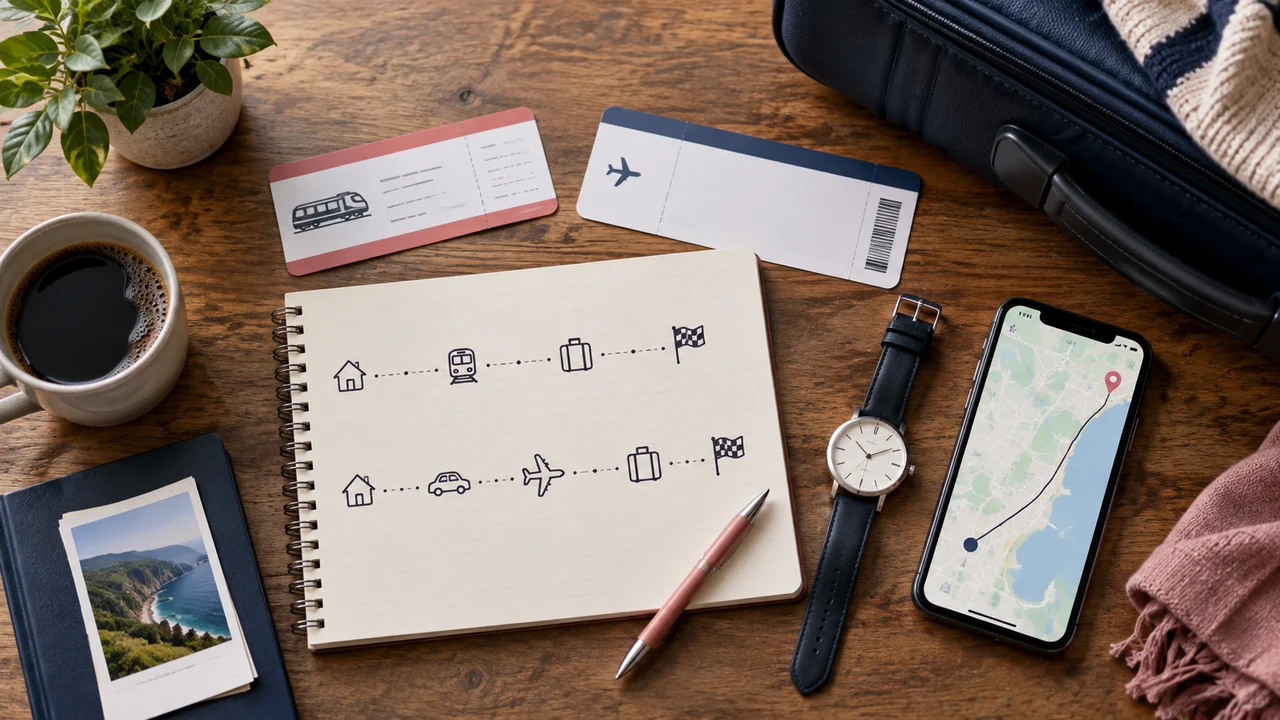
Once checked in, learn the nearest useful transport stop, a staffed place that stays open into the evening and the route back from your first meal. You do not need to explore the whole neighbourhood on arrival day.
Small habits reduce avoidable problems
These precautions do not make a victim responsible for someone else’s behaviour. They simply give you more options if a phone disappears, a payment fails or a situation becomes uncomfortable.
Plan for the traveller you are
Risk is not experienced equally. Gender, race, disability, religion, age, sexual orientation and gender identity can affect local attitudes, legal protections and how accessible a journey feels. Read the country-specific advice that applies to you rather than assuming one European destination will feel the same as another.
Use advice that reflects your circumstances
The FCDO’s solo and independent travel guidance links to more detailed information for women, LGBT+ and disabled travellers. Accessible transport, medication rules and local laws should be checked before booking, not after arrival.
If a hotel, venue or journey is important to the trip, contact the provider directly about access or support instead of relying only on a generic booking filter.
Meet people without giving up control of the trip
A walking tour, museum event, food class or small group day trip creates conversation around a shared activity. It can be easier than hoping to meet someone in a bar, and it gives the encounter a clear beginning and end.
When meeting someone new, choose a public place, keep control of your return journey and avoid sharing a room number or full itinerary. If plans change, message your trusted contact. You are allowed to leave even when nothing dramatic has happened.
Solo evenings do not need to mean nightlife. Counter seats, food halls, early theatre performances, hotel restaurants and a good café can all make eating alone feel natural. Booking one group activity near the start of the trip can also help if you are worried about loneliness.
Make the trip work without your main phone or card
A smartphone is useful until it is lost, stolen, flat or unable to complete two-factor authentication. Carry a small paper note with your accommodation address, insurer’s emergency number and a trusted contact. Keep a secure digital copy of key documents somewhere you can reach from another device.
- Take two payment methods and store them separately.
- Know how to freeze your cards and contact your bank from abroad.
- Download an offline map of the central area.
- Check roaming or arrange mobile data before relying on an app-only transfer.
- Carry a charged power bank where airline rules allow it.
- Keep enough accessible money for an unexpected taxi, meal or replacement journey.
What to do if something goes wrong
In immediate danger, move towards a staffed, well-lit public place if you can and contact the local emergency services. 112 is the single emergency number throughout the EU and is free from fixed and mobile phones. Outside the EU, check the destination’s FCDO page for the correct local numbers.
Lost or stolen phone, wallet or passport
Freeze affected cards, secure important accounts and report theft to the local police when required. Cancel a stolen British passport promptly. If you cannot travel with your passport, follow GOV.UK guidance on an emergency travel document and contact your insurer.
Illness or injury
Use the emergency services for urgent help. Contact the insurer’s assistance line as soon as practical and keep receipts, reports and reference numbers. Do not assume a GHIC or EHIC covers private care or travel home.
Accommodation feels unsafe
Leave first if necessary and deal with the booking dispute later. Move to reception, another staffed property or a busy public place. Keep evidence only when it is safe to do so.
You feel followed or threatened
Do not lead someone back to where you are staying. Enter a hotel, shop, station office or restaurant and tell staff clearly that you need help. Contact the police if you feel in danger.
Your solo city-break checklist
- Read the current FCDO advice and sign up for destination alerts.
- Check passport, entry, medication and local-law requirements.
- Buy suitable travel insurance and keep its emergency details offline.
- Choose a central, well-connected area before comparing room prices.
- Plan the exact arrival route and a fallback.
- Share accommodation and travel times with someone you trust.
- Carry two payment methods in separate places.
- Download an offline map and save the hotel address locally.
- Know the local emergency number; use 112 throughout the EU.
- Arrange a simple check-in routine that does not become a burden.
- Book one social activity if you want company.
- Trust discomfort early and change the plan without apology.
Keep the rest of the trip simple
Use our practical planning guides for realistic itineraries, spending money, transport choices and destination ideas that suit a short break from the UK.
Explore more travel advice