Madrid at a glance
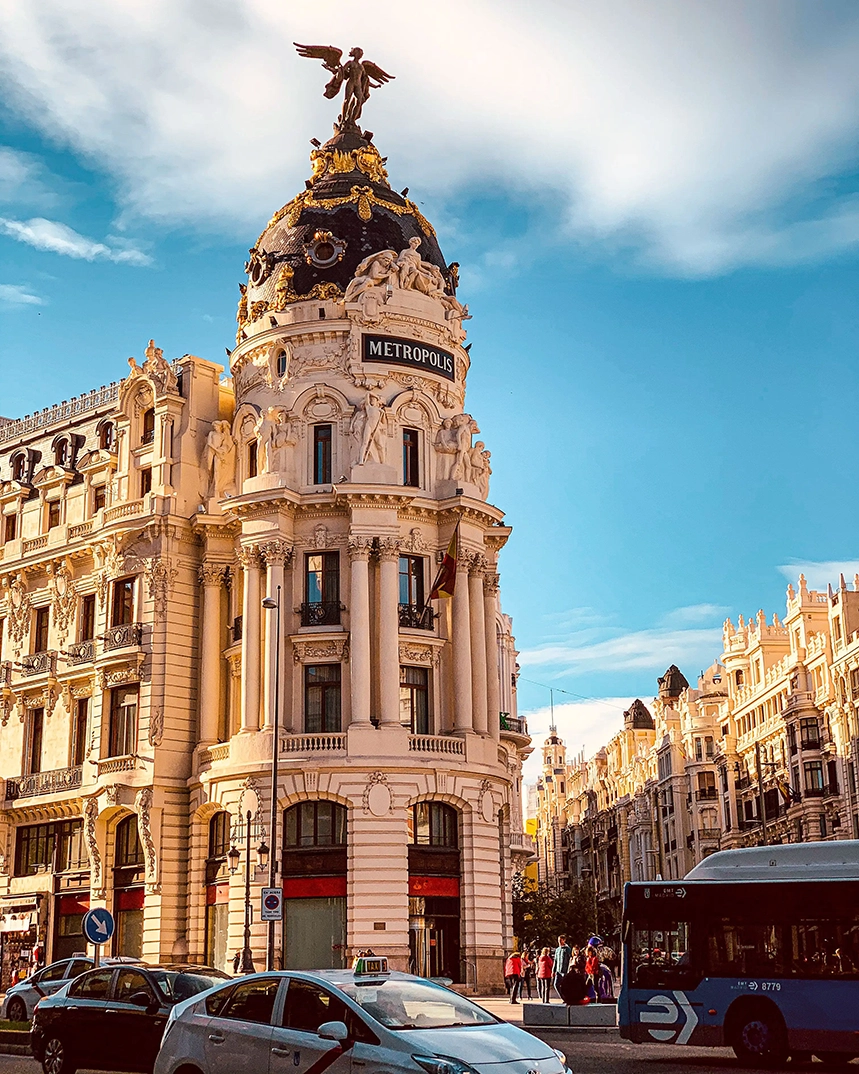
Madrid is a strong choice for travellers who want culture without having to treat the whole weekend like a sightseeing race. The centre is full of major sights, but the real pleasure comes from mixing them with neighbourhood walks, long lunches, park time and an evening that starts later than you may be used to in the UK.
For a first visit, 2 to 3 nights gives you enough time to see the historic centre, choose one major museum, spend time in Retiro Park and explore areas such as La Latina, Malasaña or Barrio de las Letras. If you have a third full day, you can slow the pace further or add a trip to Toledo or Segovia.
Why Madrid works well for a short break
Madrid gives you a lot of choice without forcing you to travel far between every experience. Around the centre you can move from the Royal Palace and Plaza Mayor to Puerta del Sol, Gran Vía, Barrio de las Letras and the Prado area largely on foot, using the Metro when you want to save your legs.
The city also suits a relaxed trip because not every highlight needs a ticket. Retiro Park, neighbourhood streets, plazas, markets and evening walks all fit naturally between the museums and palaces. That makes it easier to build a good weekend without filling every hour.
Spring and autumn are particularly comfortable for walking. Summer can be very hot, so early sightseeing, a long lunch and a slower late afternoon make more sense. Winter can be a good option for museums, food and fewer hours spent outdoors.
A relaxed 48-hour Madrid itinerary
This plan works well for a Friday-to-Sunday break. It includes the main parts of central Madrid but leaves room for coffee, tapas and wandering rather than trying to tick off every attraction.
Puerta del Sol, Plaza Mayor and old Madrid
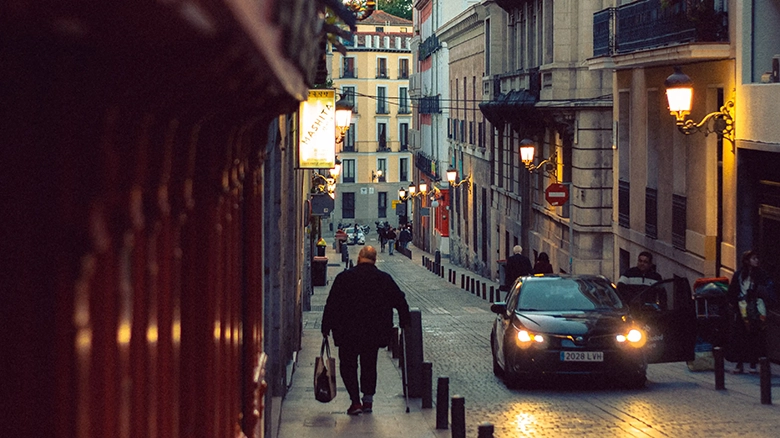
Start around Puerta del Sol before walking towards Plaza Mayor and the streets of Madrid de los Austrias. This gives you an easy first look at the historic centre and lets you understand how close many of the main sights are to one another.
Continue slowly through the lanes around Plaza Mayor rather than heading straight to the next landmark. Stop for coffee, look into Mercado de San Miguel if it is not too crowded, then wander towards Plaza de la Villa and the Royal Palace area.
Allow around 2 to 3 hours. You do not need to go inside every building on the first morning.
Royal Palace, Ópera and Plaza de España
Use the afternoon for the Royal Palace area. If the palace itself is a priority, book a timed visit and allow enough space around it rather than trying to combine it with a major museum on the same day.
Afterwards, walk past Teatro Real and continue towards Plaza de España. From here you can reach the lower end of Gran Vía, then decide whether to keep walking or stop for a drink and let Madrid’s evening pace begin.
This part of the city is also a good reminder that a central hotel near Ópera, Sol or Gran Vía can save a lot of transport time on a short stay.
La Latina tapas and an unhurried evening
Head towards La Latina for a first evening of tapas and drinks. Calle Cava Baja is well known, but you do not have to eat at the first busy place you see. Wander the side streets, look at menus and choose somewhere that suits the mood you want.
Madrid eats late by UK standards. If you prefer an earlier dinner, you can still find options, but the city becomes noticeably livelier later in the evening.
Prado Museum and Paseo del Arte
Choose one major art museum rather than trying to rush through all three of Madrid’s famous art institutions. The Prado is the obvious first choice for many visitors, while the Reina Sofía and Thyssen-Bornemisza may suit you better depending on the art you enjoy.
Book ahead if a particular museum is essential to your trip. Once you have finished, give yourself a break before the next sight. Museum fatigue can ruin an otherwise relaxed weekend.
Afterwards, walk along the Paseo del Prado and head towards Retiro Park.
Retiro Park, Barrio de las Letras and café time
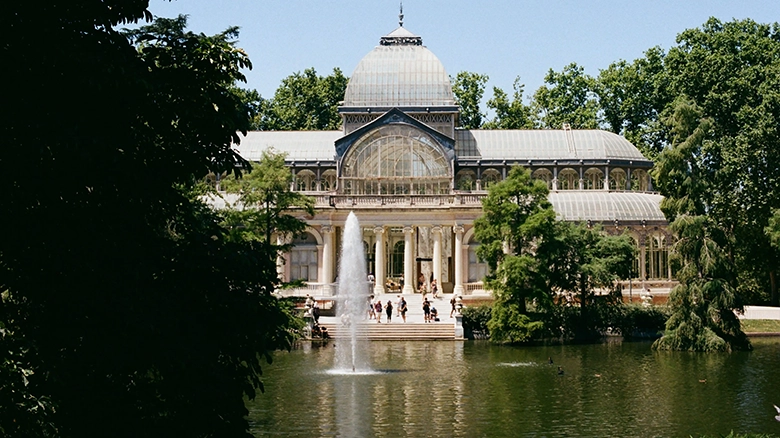
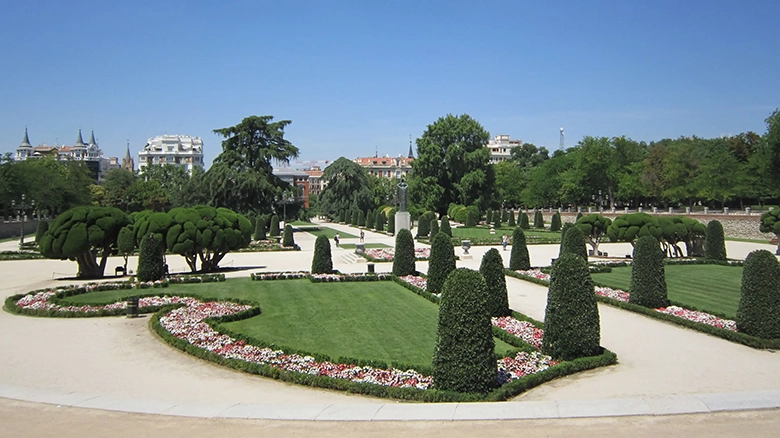
Retiro Park is the place to slow the second day down. Walk around the lake, find the Crystal Palace area, sit for a while and enjoy some green space after the museum.
From Retiro, make your way back towards Barrio de las Letras. This compact area has literary history, attractive streets, cafés and restaurants, and it works well as a transition between an afternoon walk and the evening.
If you have already done plenty of walking, use the Metro for the return to your hotel rather than turning the day into an endurance test.
Malasaña, Chueca or a final central dinner
Choose your final evening by atmosphere. Malasaña suits a more informal neighbourhood feel, Chueca has plenty of bars and restaurants, while Barrio de las Letras and the streets around Sol are simpler if you want to stay central.
Leave some of the evening unscheduled. Madrid is a city where a good bar, a busy square or a restaurant you notice while walking can easily become one of the best parts of the trip.
Where to stay in Madrid
For a first Madrid city break, location matters more than chasing the cheapest room. A central base lets you walk to more sights, return to the hotel during the hottest part of the day and enjoy the evening without worrying about a long journey back.
Compare the hotels below by neighbourhood, transport links and the places you want to visit. Each direct hotel link lets you check the property’s current rooms and booking terms.
Compare the same stay before booking
Before booking, compare the hotel’s own website with booking platforms for the same dates, number of guests and room type. Check whether breakfast and taxes are included, along with cancellation deadlines and payment terms. Compare the total price for the whole stay: neither booking direct nor using a platform is always cheaper.
For a day built around nearby streets, food and one worthwhile visit, see our guide to a café-and-shopping day in Malasaña, including terrain and evening atmosphere.
Madrid airport transfer advice
Adolfo Suárez Madrid-Barajas Airport has several public transport options, so you do not need a private transfer for most city breaks. The best choice depends on your terminal and where you are staying.
The Metro serves the airport, Cercanías trains connect Terminal 4 with the city, and the Airport Express bus is useful for central routes. A taxi or pre-booked transfer can still be worthwhile after a late arrival, with heavier luggage, or when you simply want the easiest door-to-door start.
Before travelling, check which terminal your flight uses. Madrid-Barajas is large, and the best route can change depending on whether you arrive at T1, T2, T3 or T4.
Food and drink ideas for a relaxed Madrid break
Madrid is an easy city to build around food. Rather than booking every meal, plan a few things you would like to try and leave space for places you find while walking.
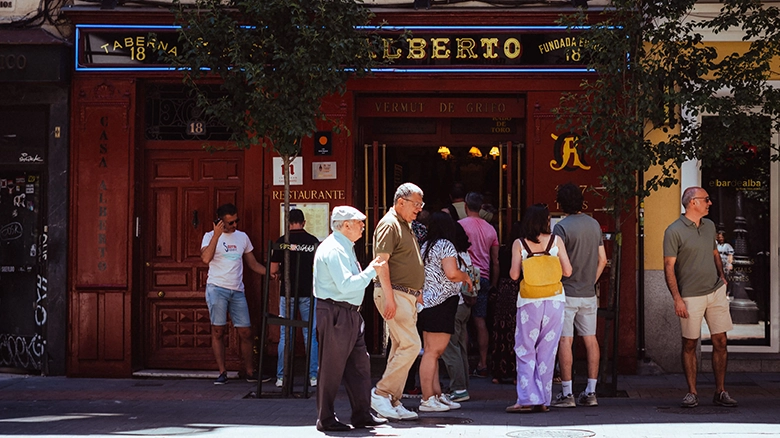
Good local choices include tortilla española, croquetas, jamón ibérico, patatas bravas, bocadillo de calamares, cocido madrileño and churros with chocolate. Markets are useful for a look around, but some of the best meals can be found in ordinary bars and neighbourhood restaurants away from the busiest tourist squares.
La Latina is a natural area for tapas, Malasaña and Chueca give you plenty of modern choices, and Barrio de las Letras works well when you want dinner after a museum day. The main adjustment for UK visitors is timing: Madrid often eats later, especially in the evening.
Things worth booking before you go
You can keep a Madrid weekend flexible, but a few bookings remove unnecessary stress.
Mistakes to avoid in Madrid
Madrid is straightforward to enjoy, but these small choices can make a short trip tiring or more expensive than it needs to be.
A simple 3-day Madrid plan
If you have three nights, use the 48-hour itinerary above and make the third day deliberately slower. You could explore Malasaña and Chueca in more depth, spend longer in Retiro, visit the Reina Sofía or Thyssen-Bornemisza, walk Madrid Río, tour the Bernabéu if football interests you, or take a day trip to Toledo or Segovia.
If this is your first visit and you enjoy Madrid itself, there is no need to leave the city just because you have an extra day.
Who Madrid is best for
Madrid works particularly well if you enjoy art, food, neighbourhood wandering, historic buildings, parks and evenings that feel lively without needing a strict nightlife plan. It is also a good alternative to beach-focused Spain if you want a proper city break at almost any time of year.
It may suit you less if you want a very compact old town where every sight is within a few minutes, or if you dislike hot summer weather. The city is walkable, but distances add up, so sensible use of the Metro helps.
Final thoughts
Madrid is at its best when you mix the major sights with ordinary city life. See the palace or a museum, but also sit in Retiro, wander a neighbourhood, have a long lunch and let the evening unfold without filling every hour.
For a first trip, choose a central hotel, book only the attractions that matter most, use public transport when your feet need a break and leave enough time for food. That gives you a city break that feels full without feeling rushed.
Planning more relaxed city breaks?
Use Madrid as your art-and-food option, then compare it with Lisbon, Alicante, Prague, Berlin and Edinburgh for your next short break.