
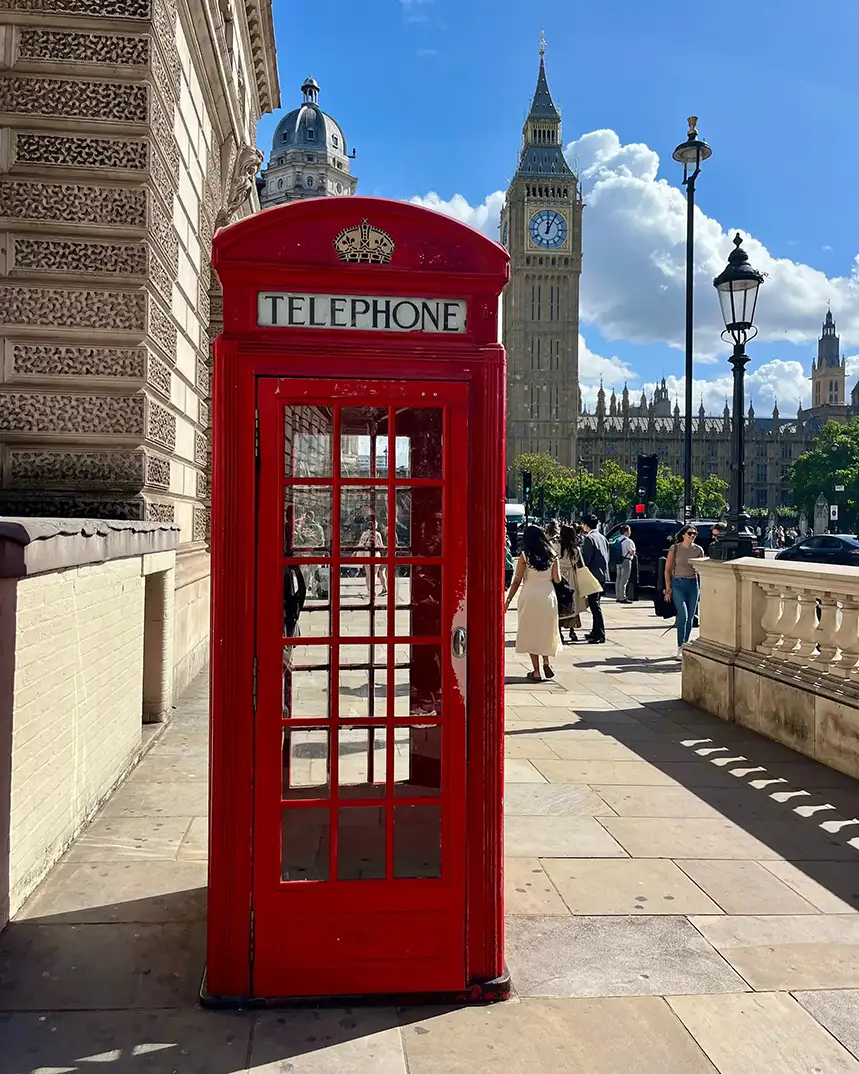
London at a glance
London is one of the easiest city breaks to over-plan. There are enough landmarks, museums, markets, theatres and neighbourhoods to fill a fortnight, so the trick on a two-night stay is to choose a few areas that sit naturally together.
For a first visit, build the trip around central London. Westminster and St James’s work well together, Covent Garden and Soho make an easy evening, and the City, Tower Bridge and the South Bank can form a second day. Add one museum or paid attraction rather than trying to do everything.
Why London works for a short break
For UK travellers, London has one obvious advantage: you can often arrive by train in the heart of the city and start the break immediately. There is no need to hire a car, and most central sightseeing areas are connected by frequent public transport.
London can also be cheaper than its reputation suggests if you mix paid highlights with free experiences. Major museums and galleries, parks, neighbourhood walks, markets and views from the riverside can fill a large part of a weekend without an admission charge.
The biggest mistake is treating London as one compact centre. It is better to group places geographically. Crossing from Kensington to Greenwich and then back to Soho in one day wastes time and energy. Pick one part of the city, explore it properly, then move on.
A relaxed 48-hour London itinerary
This route is designed for a first or early visit. It covers the classic centre while avoiding the temptation to spend the entire weekend underground travelling between unrelated sights.
Westminster, St James’s Park and Buckingham Palace
Start around Westminster. See the Houses of Parliament and Westminster Abbey from Parliament Square, then walk through St James’s Park towards Buckingham Palace. The route gives you several of London’s best-known sights without needing transport between them.
Do not feel you need to go inside every building. If Westminster Abbey is one of your priorities, book it and let that be the main paid visit of the morning. Otherwise, keep walking and enjoy the streets around St James’s.
Allow 2 to 3 hours at a comfortable pace, including a coffee stop.
Trafalgar Square, Covent Garden and the West End
Continue towards Trafalgar Square. The National Gallery is a useful option if you want some art without building the whole afternoon around a museum. From here, Covent Garden is an easy walk.
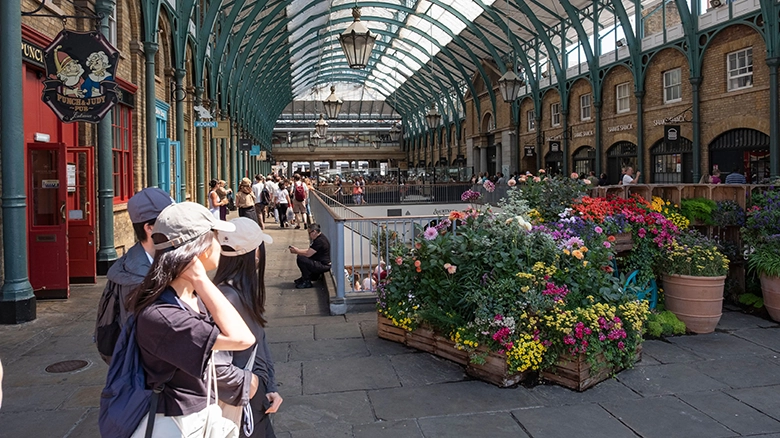
Spend time around the Piazza, Seven Dials and the smaller streets rather than treating Covent Garden as a single photo stop. If shopping is not your priority, wander towards Neal’s Yard, Soho or Chinatown.
This is a good afternoon to keep flexible. London is often more enjoyable when you follow an interesting street rather than a rigid list.
Soho, Chinatown or a West End show
Stay in the West End for the evening. Soho and Chinatown give you a huge choice of places to eat, while Covent Garden is convenient if you have booked theatre tickets.
If a particular show matters to you, buy tickets in advance. If not, leave the evening open and choose a restaurant or pub as you walk.
Tower of London, the City and St Dunstan in the East
Begin the second day around Tower Hill. If the Tower of London is one of your must-see attractions, make it the main booking of the morning. If you have visited before, walk around the City instead and see the old lanes, churches and modern skyline.
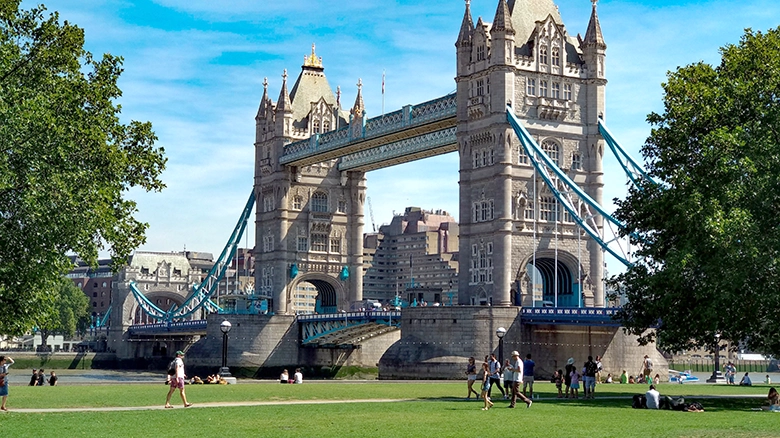
St Dunstan in the East is a useful quieter stop nearby. From there you can continue towards the Thames and Tower Bridge without adding another transport journey.
Tower Bridge, Borough Market and the South Bank
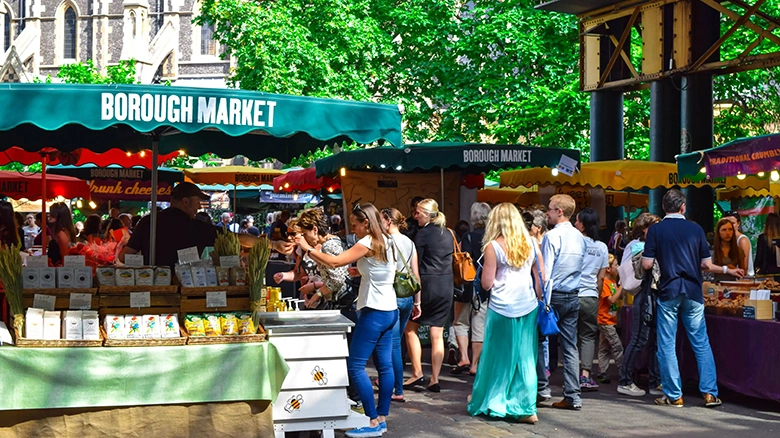
Cross Tower Bridge and work your way west. Borough Market is convenient for lunch, although it can be busy at peak times. From here the riverside route passes Southwark Cathedral, Shakespeare’s Globe, Tate Modern and the Millennium Bridge area.
You can keep walking towards the Southbank Centre and London Eye or use public transport when you have had enough. The point is to enjoy the river rather than turn the afternoon into a mileage challenge.
A final neighbourhood dinner
For the last evening, avoid crossing London simply because a restaurant appears on a list. Eat close to where you finish the day or near your hotel. South Bank, Borough, Covent Garden, Bloomsbury and the City all give you plenty of options.
If your train home leaves the next morning, a hotel near your departure station can make the end of the break noticeably easier.
Where to stay in London
For a two or three-night London break, location can be worth paying a little more for. A cheaper room far outside the centre can mean extra fares, crowded journeys and less time enjoying the city.
The hotel choices below focus on practical locations and a range of price levels. Each button links directly to the hotel or hotel group.
Arriving in London and getting around
If you are travelling from elsewhere in the UK, arriving by rail is often the simplest start. London’s main terminals put you straight onto the Tube, buses or walking routes, so check which station your train uses before choosing a hotel.
For everyday travel, contactless payment or Oyster pay as you go is usually the easiest approach. Use the same card or device throughout the day so fare capping works correctly. On buses you tap when boarding; on rail and Tube services you normally tap in and out.
If you fly into Heathrow, the Elizabeth line and Piccadilly line both connect the airport with central London. Other London airports sit much farther from the centre, so compare the full airport-to-hotel journey rather than choosing a flight on headline fare alone.
Once you are central, walk when two sights are close and use public transport for the longer jumps. The Tube is fast, but London buses can be useful when you want to see the city while moving between areas.
Food and drink ideas without making London expensive
London can absorb almost any food budget, so decide where you want to spend before the trip. A good approach is one restaurant you are looking forward to, then mix in markets, cafés, pubs and simpler lunches.
Borough Market is convenient on a South Bank day, Seven Dials Market works naturally with Covent Garden, and Chinatown gives you plenty of central choices. Traditional pubs can also be a useful part of the experience, especially away from the busiest landmark streets.
Do not assume you need breakfast at the hotel every day. A bakery, café or supermarket breakfast can save money and get you out exploring sooner. Likewise, a market lunch can leave more of the budget for dinner or theatre.
Things worth booking before you go
London rewards a little preparation, but you do not need a ticket for every hour of the weekend.
Mistakes to avoid on a London city break
London is easy to enjoy once you stop trying to conquer the whole city in a weekend.
A simple 3-day London plan
With a third day, do not simply add more central landmarks. Choose one part of London that gives the trip a different feel. Greenwich works well for maritime history and river views, Notting Hill and Holland Park suit a slower west London day, while Hampstead gives you village streets and open space.
Another option is to spend the extra day around South Kensington’s museums and Hyde Park. Pick the area that matches your interests rather than whichever attraction appears next on a generic top-ten list.
Who London is best for
London works particularly well if you like variety. You can combine history, museums, theatre, markets, food, parks and neighbourhood walks in one short trip, and you can change the balance each time you return.
It suits repeat visits especially well because there is no need to see the headline sights again. A second or third trip can be built around one museum, a show and two neighbourhoods and still feel completely different.
Final thoughts
The best London weekend is not the one where you see the most. It is the one where your route makes sense, your hotel saves you unnecessary travel and you still have enough energy to enjoy the evening.
Choose two or three connected areas, book only the attractions that matter, use free museums and public spaces to balance the budget, and give yourself permission to leave something for next time.
Planning more relaxed city breaks?
Compare London with Edinburgh, Lisbon, Madrid, Alicante, Prague and Berlin when you want your next short break to feel easy to plan.