
Autumn rewards choosing by mood, not temperature alone
October and November are not simply colder versions of summer. The days are shorter, the light changes and city life moves indoors, but long lunches, exhibitions, food markets and evening concerts can make a short break feel richer and less rushed.
October is the easier all-round choice if you want parks, terraces and outdoor landmarks. November suits travellers who are happy to dress for the weather in exchange for a more atmospheric trip, especially in museum-rich cities. Neither month guarantees low prices or quiet streets: school holidays, events and the start of Christmas-market season can still raise demand.
This guide was reviewed on 4 October 2026. Weather, seasonal opening hours and transport schedules vary, so confirm the details that matter before booking.
Should you travel in October or November?
If warmth is your main priority, our separate guide compares six warmer European city breaks in October.
Eight European autumn city breaks compared
The descriptions below are planning guides, not forecasts. Look at daylight, likely rain, indoor options and the shape of the city as well as the headline temperature.
| City | Best for | Likely autumn feel | Main trade-off |
|---|---|---|---|
| Lisbon | Milder days and neighbourhood wandering | Bright spells, food, viewpoints and occasional rain | Hills and smooth paving are harder when wet |
| Madrid | Museums, parks and evening food | Often crisp and bright, with cooler nights | Large sights and neighbourhoods need sensible grouping |
| Rome | Outdoor history without peak summer heat | Comfortable walking mixed with changeable days | Headline attractions remain busy |
| Venice | Quiet atmosphere and slow exploration | Misty canals, shorter days and fewer outdoor hours | High-water events and rain can change routes |
| Paris | Art, cafés and classic autumn streets | Cultural, cool and well suited to indoor breaks | Popular areas and major exhibitions can still be crowded |
| Amsterdam | Canals, museums and a compact plan | Cosy but often breezy and changeable | Accommodation can remain expensive |
| Berlin | History, galleries and neighbourhood culture | Cooler, urban and strong for indoor days | The city is spread out and daylight becomes limited |
| Prague | Historic atmosphere and late-November sparkle | Crisp streets, warm interiors and early evenings | Cold weather and festive crowds increase later in November |
Which autumn city break is right for you?
1. Lisbon: best for a milder, unhurried autumn break
Lisbon works when you want time outdoors but do not need beach weather. Pick two or three areas, pause at viewpoints and leave room for a long lunch rather than crossing the city repeatedly.
The trade-off: Autumn rain can make steep streets and polished paving slippery. Stay centrally and pack shoes with a dependable grip.
2. Madrid: best for museums, parks and evening food
Madrid balances outdoor space with excellent fallbacks. Walk Retiro Park when the weather is good, choose one major museum and keep an evening free for a food market or tapas neighbourhood.
The trade-off: The city is broad, and late dinners can make an overfilled itinerary tiring. Group each day geographically.
3. Rome: best for long walks through history
Rome becomes easier to explore once the strongest summer heat has passed. A relaxed three-night plan can combine the historic centre, one large archaeological area and either the Vatican or a quieter neighbourhood.
The trade-off: Autumn is still popular. Reserve the landmark that matters most, but do not book every hour.
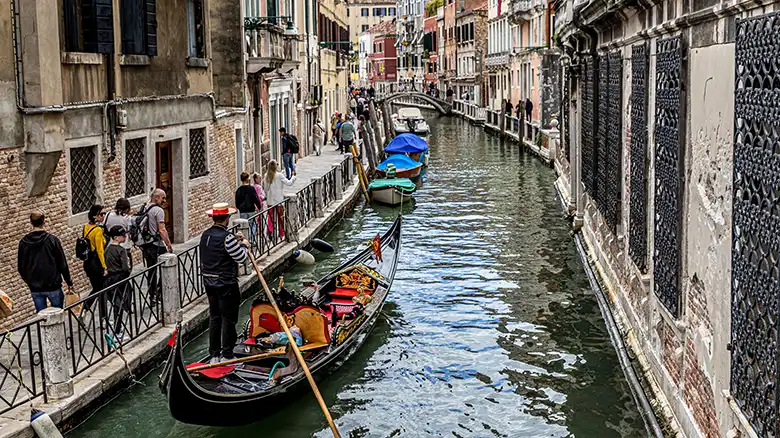
4. Venice: best for atmosphere and getting deliberately lost
Venice feels made for slower autumn travel. Start early, step away from the direct route between Rialto and St Mark’s, and use quieter canals and small churches to shape the day.
The trade-off: High water is seasonal and can temporarily affect low-lying areas. Check the city’s official high-water information and build in route flexibility.
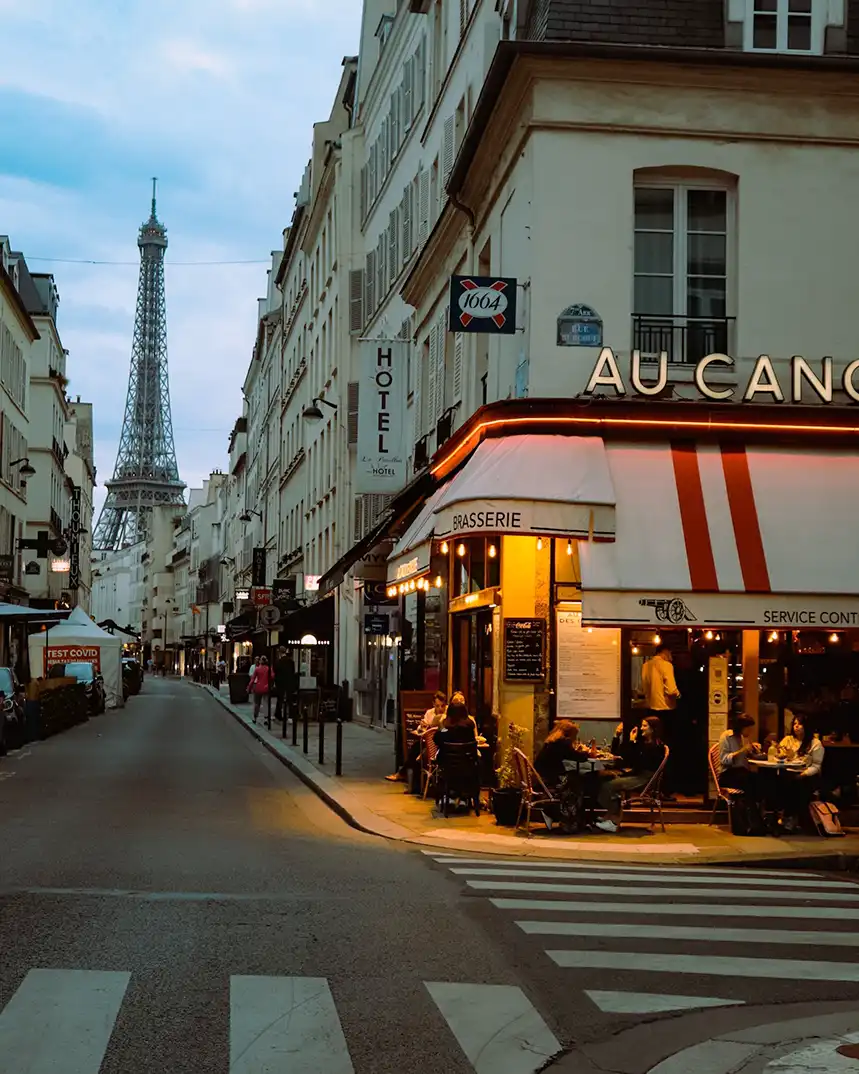
5. Paris: best for museums, cafés and autumn streets
Paris gives you an easy rhythm for changeable weather: one booked exhibition, a compact neighbourhood walk and time in a market, covered passage or café. Avoid crossing the city for a checklist of isolated sights.
The trade-off: A famous museum can absorb much of a short day, and popular exhibitions may sell out even outside summer.
6. Amsterdam: best for a compact culture-led weekend
Amsterdam is easy to understand quickly. Pair one major museum with a canal-side neighbourhood, then let cafés and smaller galleries absorb the wet or windy parts of the day.
The trade-off: Hotel prices can stay high, so compare the whole trip rather than assuming November automatically means a bargain.
7. Berlin: best for history, galleries and neighbourhood culture
Berlin’s strength is variety. A colder day can still combine a major museum, a historical site and a relaxed evening in one neighbourhood. Plan by district so the scale of the city does not dominate the weekend.
The trade-off: Journey times add up, and November’s shorter days make an improvised cross-city plan feel less rewarding.
8. Prague: best for old-city atmosphere and an early festive feel
Prague suits a compact trip built around the historic centre, riverside views and warm stops for food or culture. Late November may bring festive lighting and the first seasonal markets.
The trade-off: Colder weather and popular festive weekends can change both the mood and the price. For a market-first trip, use our Christmas market breaks guide.
Plan around daylight, half term and seasonal changes
For the UK date, see the official GOV.UK clock-change guidance. Always use the attraction or operator’s own website for local timings.
Book enough to make the trip easy
Autumn does not require a rigid itinerary. Secure the parts that would be difficult to replace, then let the weather decide the order of the rest.
- Choose flight times that preserve useful time in the city, not simply the lowest fare.
- Stay near the area you will use in the evening, especially when daylight is limited.
- Reserve one headline museum or attraction if missing it would spoil the trip.
- Keep one indoor option that does not require a fixed slot.
- Check current FCDO travel advice, entry requirements and local transport before departure.
Pack for transitions rather than one forecast symbol
Autumn city days move between cool mornings, heated interiors, rain and long periods on foot. A few adaptable layers are more useful than one very heavy item.
- A light waterproof layer that is comfortable to walk in.
- Thin layers you can remove inside museums and restaurants.
- Comfortable shoes with grip for wet paving and fallen leaves.
- A compact umbrella if you are happy carrying it in crowds.
- A small power bank for navigation during longer days out.
- One slightly smarter but comfortable outfit for an evening meal or performance.
Four autumn city-break mistakes to avoid
Your autumn city-break checklist
- Decide whether mild outdoor time or indoor culture matters more.
- Compare the exact flight and hotel combination for your dates.
- Check likely daylight and plan the outdoor priority for midday.
- Choose a central base that makes dark or wet evenings simpler.
- Reserve one must-see attraction and keep the rest flexible.
- Confirm seasonal opening hours shortly before travelling.
- Pack layers, waterproof protection and shoes with grip.
- Check official travel advice, entry rules and local disruption.
Plan the rest of the break
Use our Travel Ideas & Advice section for realistic three-night itineraries, spending-money guidance, transport choices and practical ways to keep a short trip relaxed.
Explore more travel advice