
Copenhagen at a glance
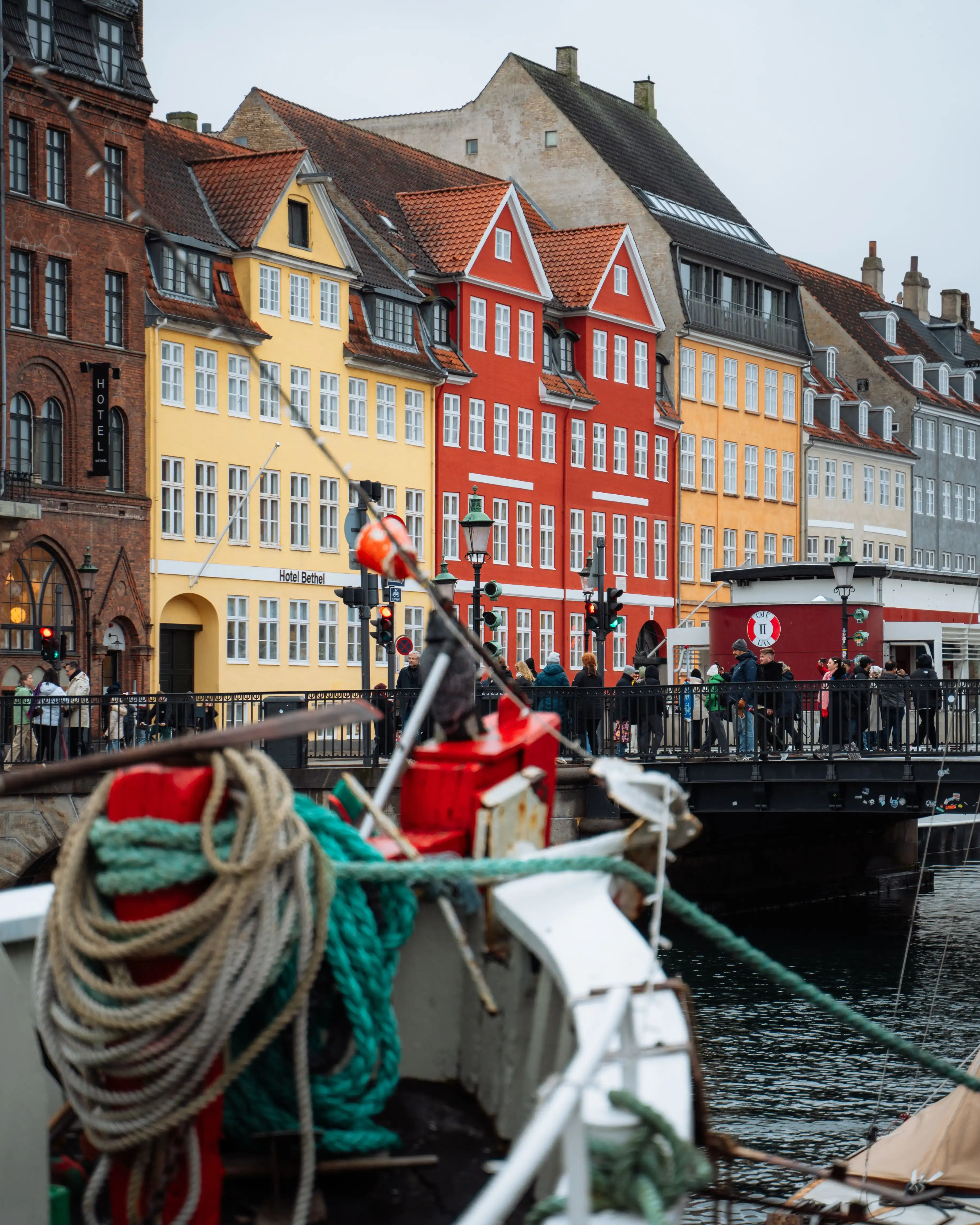
Copenhagen is a strong first Nordic city break because the airport is close, the central districts are manageable and the city offers much more than one famous waterfront. Nyhavn, Tivoli Gardens and the royal sights give a recognisable first day, while Christianshavn, Vesterbro, Nørrebro, Frederiksberg and the harbour reveal the everyday city.
The currency is the Danish krone. Cards are widely used, English is commonly spoken and a car is unnecessary. Walking works well within each district, while the Metro, trains, buses and harbour buses connect the areas that are less sensible to join on foot.
Why Copenhagen works so well for a short break
The transfer from the airport is one of Copenhagen’s biggest practical advantages. Copenhagen Airport says the Metro station is beside Terminal 3 and the journey to Nørreport takes about 15 minutes. That means a well-timed arrival can become a real first evening rather than a long transfer day.
The centre is compact, but the city does not feel limited. You can combine royal history, museums and canals with bakery stops, contemporary design, neighbourhood streets and time by the water. Copenhagen also gives you good indoor options when the weather is poor, which makes it workable beyond the summer months.
The main caution is cost. Copenhagen can be expensive, particularly for accommodation, drinks and attraction-heavy days. The answer is not to avoid the city; it is to choose the hotel area carefully, plan one or two priority paid experiences and allow free walks, parks and neighbourhood time to carry part of the trip.
How many nights do you need in Copenhagen?
One night can work with excellent flight times, but two nights is the realistic minimum for a first visit. Three nights is the better City Break Explorer choice because it gives you the famous sights and one or two neighbourhoods without hurrying every meal.
| Stay | Best for | Realistic plan | Main trade-off |
|---|---|---|---|
| One night | A focused introduction with very good flight times | Historic centre, harbour, one cultural stop and dinner | Little time for neighbourhoods; delays have a bigger impact |
| Two nights | A compact first weekend | Central sights plus Christianshavn, Vesterbro or a canal experience | You need to choose attractions rather than collect them |
| Three nights | A balanced, relaxed first visit | Main sights, one or two neighbourhoods, food, harbour time and a museum | An extra hotel night raises the total cost |
Official Copenhagen guidance also treats two days as enough for a useful introduction and three days as the point where neighbourhoods become easier to include. Our wider three-night city-break guide can help you shape arrival and departure days without overplanning them.
A relaxed 48-hour Copenhagen itinerary
This plan gives you the historic centre, waterfront and one contrasting side of the city. Treat it as a route rather than a timetable, and choose one important indoor attraction each day.
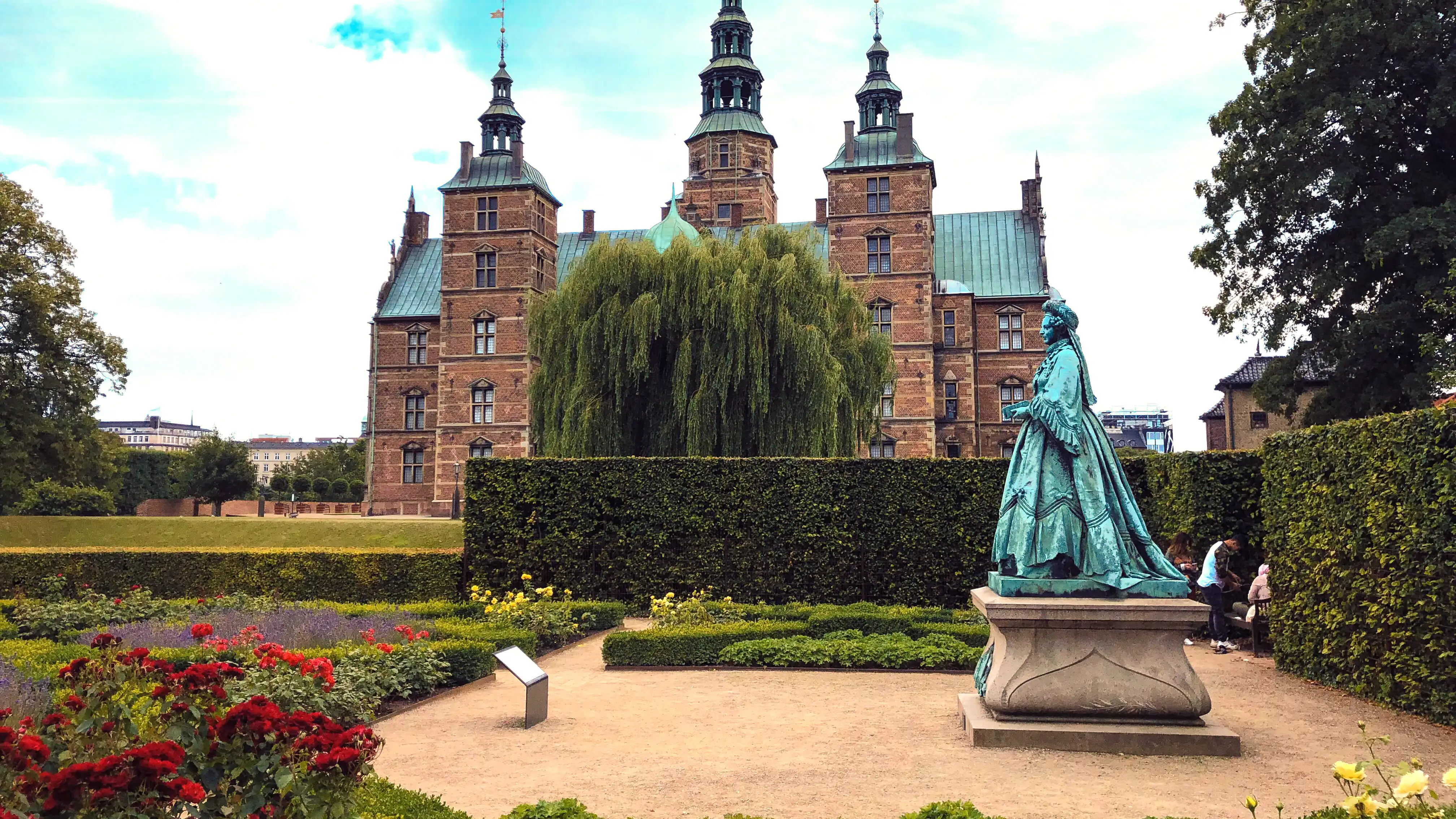
Day 1 morning: Rosenborg, the King’s Garden and a market lunch
Begin around Rosenborg Castle and the King’s Garden. Go inside Rosenborg if Danish royal history and the Crown Jewels matter to you; otherwise enjoy the garden and continue towards Torvehallerne near Nørreport for coffee, pastries or lunch.
If art is the priority, SMK—the National Gallery of Denmark—is close enough to replace Rosenborg rather than being added to it. One substantial visit keeps the morning enjoyable.
Day 1 afternoon: old streets, Kongens Nytorv and Nyhavn
Walk through the centre towards Kongens Nytorv and Nyhavn. The colourful harbour deserves a visit, but it does not need to consume half a day. Continue along the waterfront, add Amalienborg if royal Copenhagen interests you, or use a canal tour to understand the city from the water.
Strøget can form part of the route, but explore the smaller adjoining streets rather than treating the shopping street as the destination.
Day 1 evening: Tivoli or an unhurried dinner
Tivoli Gardens can be particularly atmospheric after dark, but it operates in defined seasons and opening times vary. Check the official calendar before building the evening around it. If Tivoli is closed—or rides are not your interest—choose a good dinner in Vesterbro or the centre and take a short evening walk instead.
Day 2 morning: Christianshavn and canal-side Copenhagen
Take the Metro or walk to Christianshavn. Follow the canals and quieter streets, look towards the Church of Our Saviour and decide whether Christiania fits your interests. If you visit Christiania, respect signs, local rules and residents rather than treating the community as a photo stop.
Day 2 afternoon: harbour life, culture or Refshaleøen
Choose according to the season. A harbour bus or canal experience gives a useful view of the city. Refshaleøen offers a more industrial and creative side of Copenhagen, while Reffen can suit a casual food stop when it is operating. In colder or wetter weather, choose a museum or design-focused visit instead.
Day 2 evening: Vesterbro or Nørrebro
Vesterbro is convenient for Central Station, Kødbyen and a lively choice of restaurants. Nørrebro gives a more varied neighbourhood evening with cafés, bars and independent places. Pick one area and stay there for dinner rather than crossing the city repeatedly.
What a third day adds
A third day lets you stop thinking only about landmarks. Use it for one neighbourhood, one cultural visit and a slower meal rather than another full sightseeing circuit.
For a trip built around a single district rather than constant movement, see our guide to European neighbourhoods where you can slow down.
Where to stay in Copenhagen
Hotel prices vary greatly by date, so choose the area before comparing live rates. For a short break, the cheapest room can become poor value if it leaves you making repeated journeys across the city. The examples below link directly to the hotels’ official websites; price bands are guidance rather than promises.
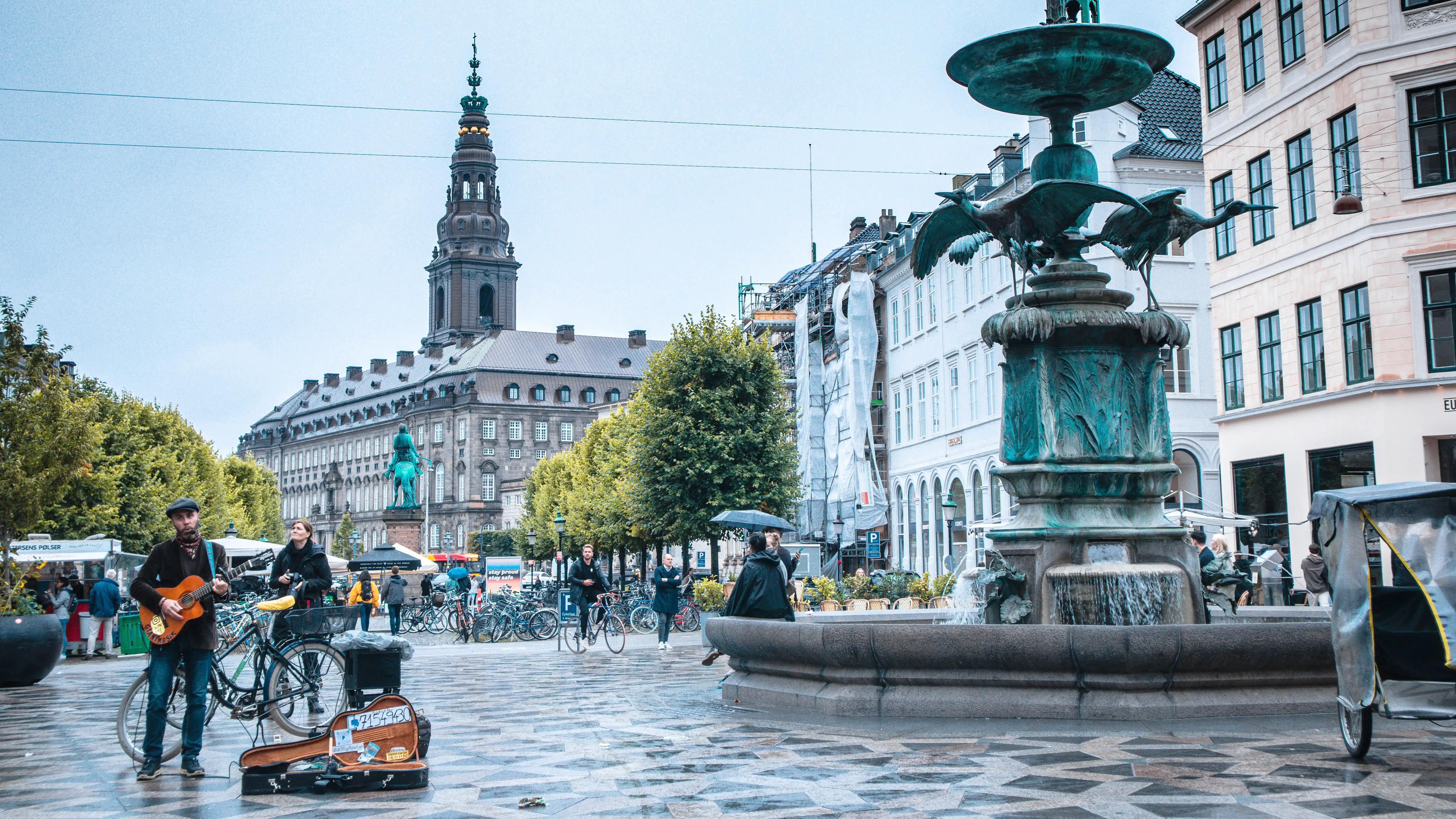
Indre By and Nyhavn: easiest for a first visit
Indre By puts the historic centre, Kongens Nytorv, Nyhavn, royal sights and several Metro stations close at hand. It is usually the most expensive choice, but it can reduce transport and simplify a short stay.
Vesterbro: transport, food and evening atmosphere
Vesterbro works well if you want Central Station, Tivoli, restaurants and Kødbyen close together. It is particularly practical for travellers using the airport train and for a short stay with an early departure.
Christianshavn: canals and a quieter waterside base
Christianshavn gives you canal atmosphere and quick Metro access while feeling different from the shopping streets of the centre. It suits travellers who value neighbourhood character over being beside every headline sight.
Nørrebro or Frederiksberg: more local and slower
These areas suit repeat visitors and travellers who prefer cafés, streets and green spaces to a landmark-heavy base. Both are connected by Metro, but check the precise walking distance to a station before booking.
Look for smaller independent hotels and compare the total journey to your planned sights. A lower nightly rate does not automatically compensate for an inconvenient location on a two-night stay.
Copenhagen Airport to the city centre
Copenhagen Airport is unusually convenient. The Metro station is connected to Terminal 3 and is useful for Nørreport, Kongens Nytorv, Christianshavn and other Metro-connected areas. Copenhagen Airport currently states that trains run every 4–6 minutes during the day and evening, less frequently overnight, and take about 15 minutes to Nørreport.
The mainline train is often better for Copenhagen Central Station and Vesterbro. Choose the service that matches your hotel rather than automatically taking the Metro. Buy the correct ticket before boarding and confirm the latest platform and service information at the airport.
See the official Copenhagen Airport Metro guidance before travelling. A taxi may help with reduced mobility, heavy luggage or a late arrival, but most central stays do not require a pre-booked transfer.
Getting around without wasting time
Walk within each neighbourhood and use public transport between them. The same zone-based ticket system covers Metro, buses, harbour buses and trains when the ticket is valid for the required zones and time.
The Metro operates around the clock, with reduced frequency overnight. For current ticket choices, read the official visitor transport guide.
Food, bakeries and markets without overspending
Copenhagen’s food reputation can make the city sound like a choice between expensive tasting menus and nothing else. A better short-break plan mixes one special meal with bakeries, markets and neighbourhood places.
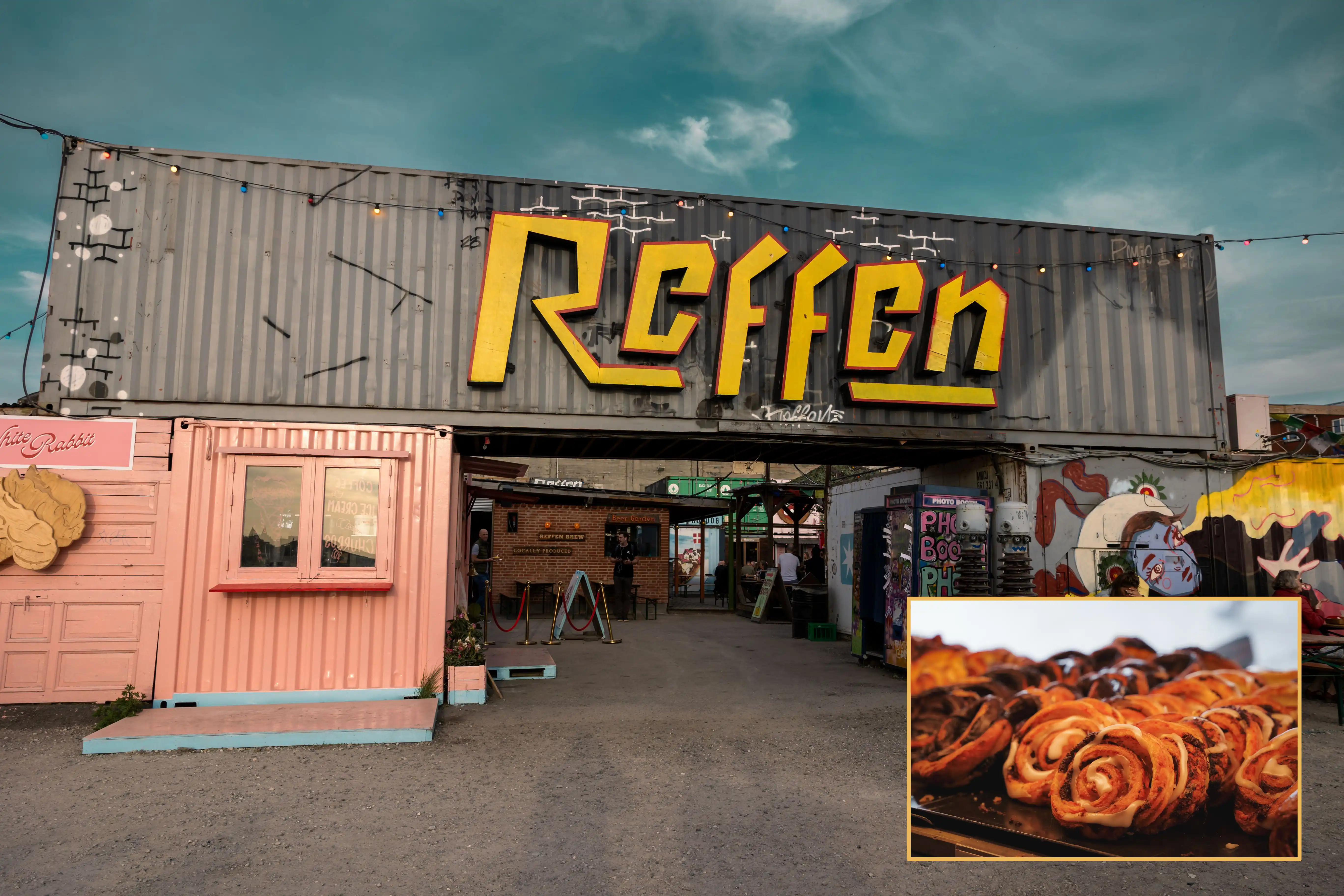
Try a good Danish pastry or cardamom bun, smørrebrød for lunch and one meal chosen for atmosphere rather than status. Torvehallerne is central and operates year-round; Reffen is more seasonal and should be checked before you travel. Vesterbro and Nørrebro give you broader evening choices away from the most photographed streets.
Breakfast included in the hotel can improve the real value of a room. At lunch, food halls and bakeries can keep the day flexible. For dinner, reserve only where a particular restaurant matters; otherwise leave room to choose according to the area and your energy.
Is Copenhagen expensive?
Copenhagen is unlikely to be the cheapest European weekend, but it can still feel good value when the city matches what you enjoy. Accommodation is often the largest variable. Compare the total stay, breakfast, cancellation conditions and airport journey—not just the headline room price.
For a wider approach to meals, transport, attractions and contingency money, use our European city-break spending guide.
What is worth booking before you go?
When is the best time to visit Copenhagen?
Spring
Spring brings longer days and improving outdoor conditions, but temperatures can still be cool. It is a good time for walking, museums and cafés without relying on perfect weather.
Summer
Long evenings suit harbour life, outdoor food and neighbourhood exploration. It is also a popular and potentially expensive period, so compare accommodation early.
Autumn
Autumn can work well for food, design and cultural visits. Build in indoor alternatives and check Tivoli’s seasonal calendar rather than assuming ordinary summer opening.
Winter and Christmas
Winter is atmospheric but daylight is limited and weather can be cold or wet. Copenhagen works best when you actively want cafés, museums, lights and seasonal atmosphere. Check exact Christmas-market and Tivoli dates through official sources before booking. Our European Christmas-market guide can help you compare the style of the trip.
Mistakes to avoid in Copenhagen
Who will enjoy Copenhagen most?
Copenhagen suits travellers who enjoy food, design, architecture, waterfronts, neighbourhoods, museums and a city that is easy to understand without a car. It is particularly good for couples, friends, solo travellers and repeat city-break visitors who value atmosphere as much as a list of monuments.
It may suit you less if the lowest possible budget is the main priority, if you want guaranteed warm weather, or if your ideal weekend depends on many large headline monuments. In that case, compare Copenhagen with Prague, Lisbon, Berlin or Rome before deciding.
Final thoughts
Copenhagen earns its place as a substantial City Break Explorer guide because the practical side is unusually strong: quick airport access, compact central sights and neighbourhoods that make an extra day worthwhile. The city is at its best when you resist the urge to justify the cost by filling every hour.
For a first visit, choose three nights if the budget allows. Spend the first two days on a focused centre-and-harbour plan, then use the third for the part of Copenhagen that best fits you—food, design, a neighbourhood, a museum or simply more time by the water.
Plan the rest of your break
Compare practical routes in our Northern UK airports guide, then use the three-night planning guide to shape your arrival and departure days.
Explore more European city breaks